
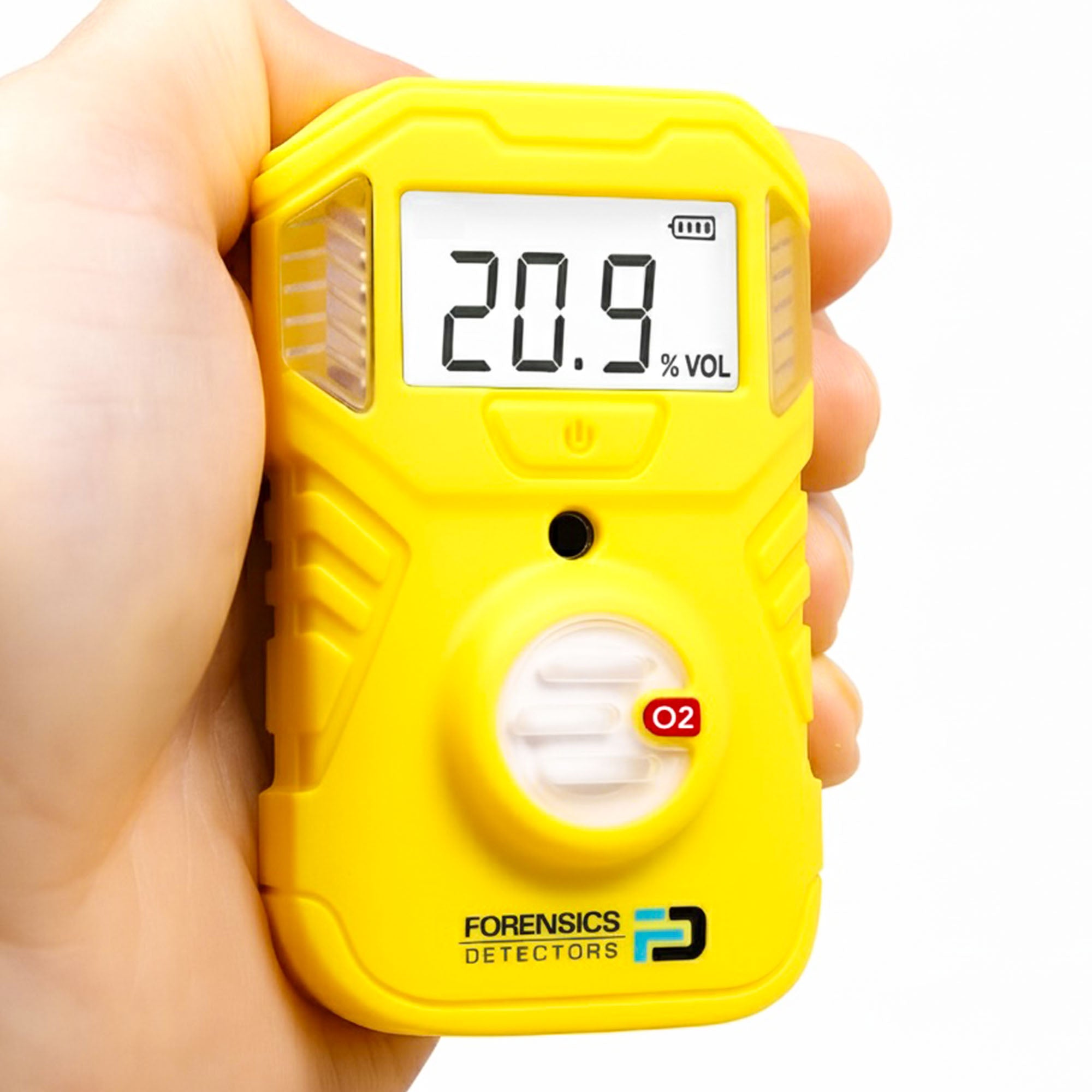
Gas detection plays a vital role in protecting workers, equipment, and facilities from potentially dangerous atmospheric conditions. In industrial environments, laboratories, manufacturing plants, and confined spaces, even small concentrations of hazardous gases can create serious health and safety risks. However, owning a professional gas detector is not enough to guarantee reliable protection. Without regular calibration, a detector may provide inaccurate readings, fail to recognize dangerous gas concentrations, or trigger alarms at inappropriate levels.
Regular gas detector calibration helps ensure that monitoring equipment measures gas concentrations accurately and consistently. Calibration involves comparing a detector's readings against a known reference gas concentration and making adjustments when necessary. This process helps identify measurement errors, maintain equipment reliability, and support workplace safety procedures.
For organizations that depend on dependable gas monitoring, choosing professional detection equipment and maintaining it correctly are equally important. Companies such as Forensics czujnik wodoru provide access to professional gas detection technology designed for different monitoring applications. Understanding the importance of calibrated gas detectors can help businesses make better equipment decisions and maintain safer working environments.
What Is Gas Detector Calibration?
Gas detector calibration is the process of checking and adjusting an instrument to ensure its measurements correspond with known reference concentrations. Over time, sensors can experience performance changes because of environmental conditions, regular use, contamination, or natural aging.
During calibration, technicians expose the detector to certified calibration gas with a known concentration. They compare the instrument's response with the expected measurement and adjust it when necessary.
Two important procedures are commonly associated with detector maintenance:
-
Calibration: Checks measurement accuracy and adjusts the instrument when readings fall outside acceptable limits.
-
Bump testing: Confirms that gas reaches the sensor and that the detector's alarms and other essential functions respond correctly.
A bump test does not replace a full calibration, but it provides a useful functional check before equipment is used.
Why Accurate Gas Measurements Matter
Accurate measurements are essential when monitoring environments containing toxic, combustible, or oxygen-displacing gases. Incorrect readings can create a false sense of security and expose workers to hazardous conditions.
For example, a detector that underestimates carbon monoxide concentrations may fail to alert employees when exposure becomes dangerous. Similarly, inaccurate combustible gas readings can affect decisions about whether an area is safe for certain operations.
Calibrated gas detectors help organizations:
-
Identify hazardous gas concentrations more reliably.
-
Support workplace health and safety procedures.
-
Improve confidence in monitoring results.
-
Reduce the risk of decisions based on inaccurate readings.
-
Maintain dependable equipment performance.
Although calibration cannot eliminate every workplace hazard, it is an important part of an effective gas safety program.
Factors That Affect Gas Detector Accuracy
Several factors can influence the performance of gas detection equipment. Understanding these influences helps businesses determine when inspections, calibration, or sensor replacement may be necessary.
Sensor Aging and Wear
Gas sensors have operational lifespans. Their sensitivity may gradually change through regular use, potentially affecting measurement accuracy.
Temperature and Humidity
Extreme temperatures and high humidity can influence sensor performance, depending on the detector's design and specifications.
Contamination and Chemical Exposure
Dust, moisture, silicone compounds, and certain chemicals may interfere with sensor operation. Some substances can also cause sensor poisoning or reduced sensitivity.
Improper Storage and Handling
Physical damage, unsuitable storage conditions, and incorrect handling may affect detector reliability.
How Often Should Gas Detectors Be Calibrated?
There is no single calibration schedule suitable for every gas detector. The appropriate frequency depends on the manufacturer's recommendations, sensor technology, operating environment, usage patterns, and applicable workplace requirements.
Some organizations may require calibration at regular scheduled intervals, while demanding environments may require more frequent checks. A detector that fails a bump test or shows suspicious readings should be removed from service and evaluated according to manufacturer procedures.
Businesses should maintain calibration records, document test results, and follow established maintenance schedules. These practices make it easier to track equipment performance and identify recurring problems.
Choosing Reliable Gas Detection Equipment
Selecting the right gas detector is just as important as maintaining its calibration. Businesses should consider the gases they need to monitor, required detection ranges, environmental conditions, alarm features, and equipment certification.
Forensics Detectors offers professional gas detection technology for customers exploring monitoring solutions across different applications. When comparing equipment, buyers should review technical specifications, sensor compatibility, calibration requirements, and manufacturer support to ensure the detector suits the intended environment.
Conclusion
Calibrated gas detectors are essential for obtaining reliable measurements and supporting workplace safety. Regular calibration helps identify measurement errors, maintain sensor performance, and improve confidence in hazardous gas monitoring. Combined with routine bump testing, proper handling, and scheduled maintenance, calibration helps organizations manage atmospheric risks more effectively. Whether monitoring an industrial facility, laboratory, or confined space, investing in suitable gas detection equipment and maintaining it correctly is an important step toward protecting people and property.