
Dents are among the most common types of damage that affect vehicles. They can happen because of minor parking accidents, shopping trolleys, falling objects, road accidents, or unexpected impacts. Even a small dent can make a vehicle look unattractive and reduce its overall appearance. Fortunately, professional vehicle repair services can restore damaged bodywork and help cars look their best again. 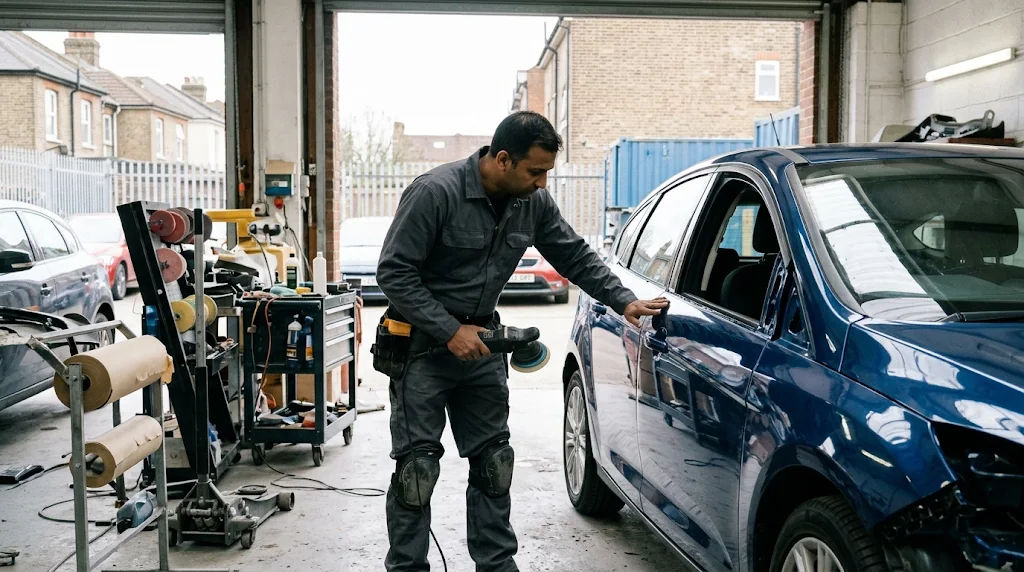 But can a body shop south east london remove dents effectively?
The answer is yes. Professional body shops offer several dent removal techniques, depending on the size, location, depth, and severity of the damage. Some dents can be repaired without affecting the original paintwork, while others require more extensive bodywork, filling, sanding, and repainting. Choosing the right repair method is important for achieving a smooth and professional finish.
Understanding how dent removal works can help vehicle owners make informed decisions about repairing their cars. Whether a vehicle has a small parking dent or more noticeable accident damage, professional technicians can assess the problem and recommend a suitable solution.
This comprehensive guide explains how dent removal works, what techniques professionals use, how long repairs take, and what drivers should consider when choosing a repair service.
Different Types of Car Dents
Not every dent is the same. The type of damage determines which repair method is most suitable. Before starting any work, technicians examine the affected area to understand the condition of the metal and paintwork.
Small and Shallow Dents
Small dents usually occur when a vehicle comes into contact with another object at low speed. Parking accidents, shopping trolleys, and minor bumps are common causes.
These dents may not damage the paintwork. If the metal has only been pushed inward without stretching or cracking, paintless dent removal may be an option.
This technique allows technicians to restore the original shape of the panel without using traditional fillers or repainting.
Deep Dents
Deep dents are more complicated because they can stretch the metal or create sharp creases. They may also damage the paint surface.
A technician needs to examine the panel carefully before deciding how to repair it. Depending on the damage, the repair may involve reshaping the metal, applying body filler, sanding, priming, and repainting.
Creased Dents
Creased dents appear as narrow lines or folds across a vehicle's bodywork. They often happen when a car comes into contact with a sharp-edged object.
These dents can be difficult to repair because the metal may have stretched along the crease. Professional equipment and experience are important for restoring the panel correctly.
Dents With Paint Damage
Sometimes an impact causes both a dent and scratches or cracks in the paint. In these situations, removing the dent alone will not restore the vehicle's appearance.
The technician may need to repair the panel and refinish the affected area to achieve a consistent appearance.
How Can a Body Shop South East London Remove Dents?
A professional body shop south east london can use different techniques to remove dents and restore damaged vehicle panels. The correct method depends on the vehicle's material, the location of the dent, and whether the original paint remains intact.
Here are some common approaches used by professional technicians.
Paintless Dent Removal
Paintless dent removal, commonly called PDR, is one of the most popular methods for repairing minor dents.
It involves carefully manipulating the damaged metal from behind the panel until it returns to its original shape.
Technicians use specialised tools to apply controlled pressure to the affected area. They work gradually to avoid creating additional damage.
The main advantages include:
-
Original factory paintwork can remain intact.
-
The process is often quicker than traditional repairs.
-
Less material is required.
-
The repaired area can maintain its original finish.
-
It may be more economical for suitable minor dents.
However, paintless dent removal is not suitable for every situation. Deep creases, severely stretched metal, and damaged paint may require alternative methods.
Traditional Dent Repair
Traditional dent repair is generally used when the damage is too severe for paintless techniques.
The technician first examines the damaged panel and determines how much reshaping is necessary. The metal may then be carefully restored before any surface preparation begins.
If small imperfections remain, body filler may be applied to create a smooth surface.
The area is then sanded, primed, and prepared for repainting.
This method is suitable for various types of damage, including deeper dents and dents accompanied by paint damage.
Dent Pulling Techniques
Dent pulling is another method used in traditional vehicle body repairs.
Depending on the panel and damage, technicians may use specialised pulling equipment to help restore the metal's original shape.
The objective is to reduce the dent and bring the damaged surface closer to its original position.
Once the metal has been reshaped, additional preparation may be required to achieve a smooth finish.
Panel Replacement
Sometimes a dent is too severe to repair economically or safely.
For example, a heavily damaged door, wing, or other body panel may have significant structural deformation.
In such cases, a technician may recommend replacing the damaged panel instead of attempting extensive repairs.
A professional assessment helps determine whether repairing or replacing the component is the better option.
What Factors Determine the Best Dent Removal Method?
Choosing the right repair technique involves more than looking at the size of a dent. Several factors influence the decision.
Size and Depth of the Dent
Small, shallow dents are generally easier to repair than large, deep ones.
A small dent may be suitable for paintless dent removal, while a deeper dent could require traditional bodywork.
Technicians examine the entire affected area rather than considering only the visible centre of the damage.
Condition of the Paintwork
Paint condition is another important consideration.
If the paint remains undamaged, paintless techniques may be possible. However, cracked, chipped, or scratched paint usually requires additional refinishing.
The technician must also consider whether the paint has started separating from the underlying surface.
Location of the Damage
The location of a dent can influence how easily technicians can access it.
Dents on doors, bonnets, and other accessible panels may be relatively straightforward to repair.
However, damage near panel edges, reinforcement structures, or difficult-to-access areas can require additional work.
Vehicle Material
Modern vehicles use different materials, including steel, aluminium, and various composite components.
Each material responds differently to repair techniques.
For example, aluminium panels require specific knowledge and suitable equipment because their properties differ from those of traditional steel panels.
An experienced technician should understand the material before selecting a repair method.
Can Small Parking Dents Be Removed?
Yes. Small parking dents are among the most common reasons drivers visit vehicle body repair specialists.
These dents often happen when another vehicle's door makes contact with a parked car or when a driver accidentally misjudges the available space.
If the paintwork is undamaged, paintless dent removal may offer an effective solution.
The technician assesses the location and shape of the dent before deciding whether it can be repaired using this method.
For dents with damaged paint, conventional repair techniques may be necessary.
It is worth arranging an inspection even when the damage appears minor. A professional can identify whether the impact has affected surrounding panels or other components.
Can a Body Shop South East London Remove Large Dents?
Large dents can also be repaired, although the process may be more complicated.
A body shop south east london can assess extensive panel damage and determine whether reshaping, filling, repainting, or panel replacement is required.
The technician begins by examining the damaged area and identifying any underlying problems.
If the metal remains suitable for repair, it may be carefully reshaped using appropriate bodywork equipment.
Afterwards, the surface can be prepared for refinishing.
Large dents may require several stages of work because technicians must restore both the panel's shape and its overall appearance.
If the impact has affected structural components, additional inspection and specialist repairs may be necessary.
What Is the Dent Removal Process?
Professional dent removal generally follows a series of steps. Although the exact process depends on the damage, most repairs involve careful inspection, preparation, restoration, and quality checking.
Step 1: Initial Inspection
The technician examines the dent and surrounding bodywork.
They look for paint damage, sharp creases, stretched metal, and possible damage to nearby components.
Photographs may also be taken to document the condition of the vehicle before repairs begin.
Step 2: Selecting the Repair Method
After inspection, the technician recommends an appropriate repair technique.
For example, a small dent with undamaged paint may qualify for paintless dent removal.
A deeper dent with scratched paint may require traditional bodywork and repainting.
The repair method should be explained clearly so the vehicle owner understands what the work involves.
Step 3: Preparing the Vehicle
Before repairs begin, technicians prepare the affected area.
This may involve cleaning the panel, protecting surrounding surfaces, and removing certain components to improve access.
Proper preparation helps reduce the risk of accidental damage during the repair.
Step 4: Removing the Dent
The technician then uses suitable equipment to restore the damaged panel.
For paintless dent removal, specialised tools are used to manipulate the metal gradually.
For traditional repairs, the process may involve reshaping, filling, and sanding.
Step 5: Refinishing the Surface
If repainting is required, the technician prepares the surface using appropriate materials.
Primer and paint are applied according to the repair requirements.
The aim is to achieve a consistent finish that blends naturally with the surrounding bodywork.
Step 6: Final Quality Inspection
Once the repair is complete, the technician checks the panel's shape and finish.
They look for visible imperfections, uneven surfaces, and differences in paint appearance.
A final inspection helps confirm that the repair meets the expected quality standards.
How Long Does Professional Dent Removal Take?
Repair time depends on the type and extent of the damage.
A small dent suitable for paintless dent removal may take considerably less time than a large dent requiring traditional bodywork.
Other factors can also affect the schedule.
These include:
-
The number of damaged panels.
-
The location of each dent.
-
The condition of the original paintwork.
-
Whether replacement parts are required.
-
The complexity of the repair.
-
Paint preparation and drying requirements.
For straightforward repairs, the work may be completed within a few hours. More complicated repairs can take several days.
It is best to request an estimated completion time after the technician has inspected the vehicle.
What Are the Benefits of Professional Dent Removal?
Professional dent removal offers several advantages beyond improving the appearance of a vehicle.
Restores the Vehicle's Appearance
Dents can make even a well-maintained car look neglected.
Removing them helps restore the original body shape and creates a cleaner appearance.
This is particularly important for drivers who want their vehicles to remain in good condition.
Helps Maintain Vehicle Value
Visible bodywork damage can affect how potential buyers view a vehicle.
Although dent removal cannot guarantee a particular resale value, properly repaired damage can help maintain the vehicle's overall presentation.
Keeping repair records can also provide useful information for future buyers.
Protects Damaged Areas
Dents accompanied by chipped or cracked paint can expose the underlying metal.
If moisture reaches the exposed surface, corrosion may develop over time.
Repairing damaged paintwork helps protect the affected area from further deterioration.
Preserves Original Paintwork Where Possible
One advantage of paintless dent removal is that it can preserve the original factory finish.
This is particularly useful when the damage is minor and the paint remains intact.
However, this benefit depends on whether the dent is suitable for the technique.
Provides a Professional Finish
Experienced technicians have access to specialised equipment and repair materials.
They understand how different panels respond to pressure, reshaping, and refinishing.
This knowledge helps them achieve a more consistent result than an unsuitable repair attempt.
How Much Does Dent Removal Cost?
The cost of dent removal varies according to the amount of work required.
A small dent that can be repaired without repainting will generally involve a different process from a deep dent that requires extensive bodywork.
Several factors influence the overall price.
Dent size: Larger dents usually require more time and effort.
Dent location: Difficult-to-access areas may increase repair complexity.
Paint condition: Damaged paint may require additional preparation and refinishing.
Repair technique: Paintless dent removal and traditional repairs involve different equipment and processes.
Replacement parts: Severely damaged panels may need replacement.
When requesting a quotation, ask whether the price includes labour, materials, painting, and any additional work.
A detailed estimate makes it easier to understand the expected costs and avoid unexpected charges.
How to Choose a Reliable Body Shop in South East London
Choosing a suitable repair specialist is important for achieving good results.
Not every repair centre offers the same experience, equipment, or range of services.
Consider the following points before making a decision.
Check Experience and Qualifications
Look for technicians with relevant experience in vehicle body repairs.
Dent removal requires an understanding of metal panels, paint systems, and different repair techniques.
Ask whether the repair centre has experience with your vehicle's make and model.
Review Previous Work
Before choosing a repair service, consider looking at examples of completed repairs.
Before-and-after photographs can help demonstrate the quality of the workshop's work.
Customer feedback may also provide useful information about communication, reliability, and workmanship.
Ask About Repair Methods
A professional technician should be able to explain which dent removal method is suitable for your vehicle.
Be cautious if someone recommends an expensive repair without properly examining the damage.
A clear explanation helps you understand why a particular approach is necessary.
Request a Written Estimate
A written quotation should describe the proposed work and expected costs.
It should also explain whether additional repairs might be necessary if hidden damage is discovered.
Having these details in writing can prevent misunderstandings.
Understand the Warranty
Ask whether the repair comes with a workmanship guarantee.
The terms may differ depending on the type of repair and materials used.
Understanding the warranty before approving the work can provide additional reassurance.
Can You Remove Car Dents Yourself?
Some minor dents may appear easy to repair using household tools or online DIY techniques.
However, attempting to remove a dent without proper knowledge can create additional problems.
Applying excessive pressure may stretch the metal, damage the paint, or make the dent more difficult to repair.
Using unsuitable heating equipment or adhesives can also affect the vehicle's finish.
DIY methods may be particularly unsuitable for modern vehicles with complex panel designs and sensitive paint systems.
For this reason, professional assessment is generally the safer choice when the damage is noticeable or the paintwork is affected.
When Should You Get a Dent Repaired?
It is sensible to arrange an inspection when a dent becomes noticeable, especially if the paintwork has been damaged.
Some dents are mainly cosmetic, but others may indicate a more serious impact.
Consider arranging professional attention when:
-
The dent is deep or has sharp edges.
-
The paint is cracked, scratched, or missing.
-
The panel no longer fits correctly.
-
A door, bonnet, or boot does not close properly.
-
Nearby lights or other components appear damaged.
-
The impact has affected an area near important vehicle structures.
If the vehicle's safety systems or structural components may have been affected, have the car assessed before continuing to drive it.
Prompt attention can help identify problems before they become more complicated.
Conclusion
So, can a body shop remove dents? Absolutely. Professional vehicle body repair specialists can deal with a wide range of dents, from minor parking marks to larger areas of accident damage. The most suitable repair method depends on the size, depth, location, material, and condition of the affected panel.
A body shop south east london can assess the damage and recommend techniques such as paintless dent removal, traditional dent repair, or panel replacement. Each method serves a different purpose, and selecting the correct approach is essential for achieving a reliable result.
Paintless dent removal is particularly useful for small dents where the original paint remains intact. Traditional bodywork is more suitable when the metal has been significantly deformed or the paintwork has been damaged. In more serious situations, replacing the affected panel may be the most appropriate solution.
Before choosing a repair service, consider the technician's experience, previous work, repair methods, written quotations, and warranty conditions. A professional inspection can help you understand the extent of the damage and the work required.
Ultimately, repairing dents is about more than making a vehicle look attractive. It can also help protect damaged surfaces, maintain the condition of the bodywork, and improve the vehicle's overall presentation. With the right repair technique and experienced workmanship, many damaged panels can be restored to a smooth and professional finish.