
In the world of industrial automation and process control, the significance of exact measurement can not be overemphasized. Various sensors and transmitters promote this precision, aiding industries manage their gases, products, and liquids efficiently. Among these tools, ultrasonic level sensors stand out for their non-contact measurement capacities, using a dependable method to gauge the level of numerous materials. Using high-frequency acoustic waves, they can measure ranges without direct contact, making them suitable for applications where conventional methods might fail, such as in unpredictable or harsh atmospheres. Similarly, differential pressure transmitters give vital data for monitoring pressure differences in fluid systems. These devices can be utilized to gauge levels indirectly in open containers, using flexibility throughout various industrial applications by transforming the measurement of pressure into a standard signal that can be interpreted by control systems.
In addition to level measurement and pressure picking up, flow measurement plays a critical function in industrial processes. Magnetic flow meters, which utilize Faraday’s Law of electromagnetic induction, use a non-invasive method of flow measurement without any relocating parts, making them a favored choice for applications entailing conductive fluids. Matching these modern technologies, clamp-on ultrasonic flow meters provide a non-intrusive approach of flow measurement by securing onto the outside of a pipeline.
In combination with pressure sensors, industries can keep their operational integrity. Various types of pressure sensors, consisting of vacuum pressure sensors and absolute pressure sensors, allow organizations to manage the environment and monitor in which their products are made, making sure optimum problems throughout the production process.
Discover differential pressure transmitter working principle the crucial function of advanced sensors and transmitters in industrial automation, from ultrasonic level sensors to magnetic flow meters, and find out exactly how these modern technologies improve effectiveness and accuracy across different applications.
In regards to industry demands, the duty of a trustworthy flow meter supplier is extremely important. Firms have to make sure that they work together with trusted flow meter manufacturers and distributors that can give not only premium products however likewise support and know-how. With lots of flow meter alternatives readily available, consisting of turbine flow meters, rotameters, and other types, companies need to select gadgets that meet their details functional demands, taking variables such as array, accuracy, and liquid attributes into account. In addition, calibration is an important consideration for flow meters, specifically turbine flow meter calibration, which guarantees that the gadget measures accurately over its desired array.
On the subject of oil and gas administration, diesel tank level indicators are becoming significantly essential as markets seek to boost operational performance and decrease wastefulness. These gadgets give real-time surveillance of gas levels, allowing business to handle their supply effectively and make sure that procedures are not cut off due to provide shortages. In the same blood vessel, high-temperature pressure transmitters are vital in processes where severe problems prevail, ensuring that exact pressure data is passed on even in settings that might harm conventional pressure sensing devices.
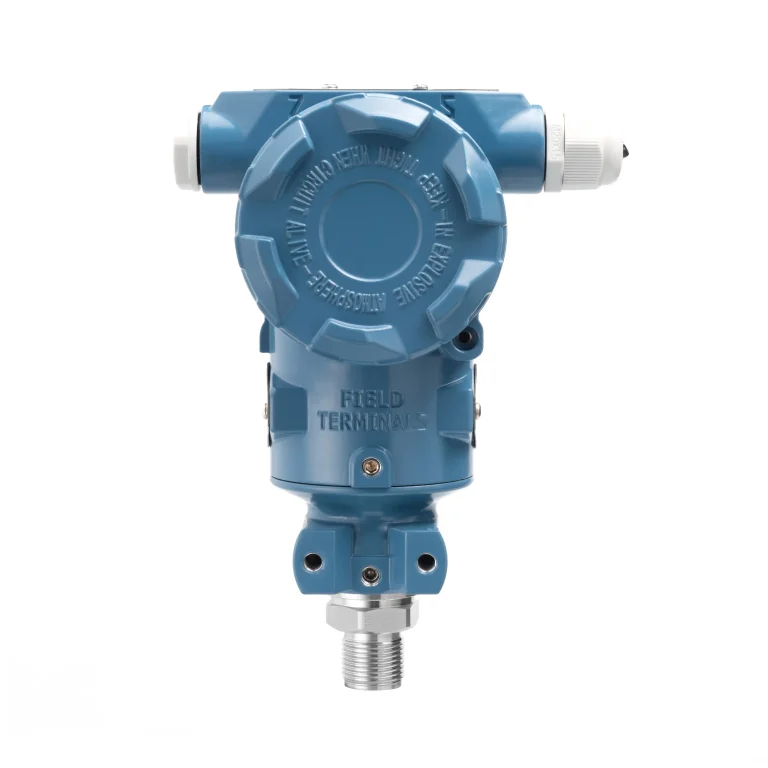
Technical advancements have also introduced guided wave radar level transmitters, which are particularly effective in testing settings. These sensors use radar modern technology to gauge levels within a tank, supplying enhanced accuracy and reliability, specifically for applications with differing thickness or problems that might otherwise hinder measurement precision. Hydrostatic level sensors use one more approach for level measurement, using pressure to gauge fluid elevation based on the hydrostatic pressure put in by the liquid above the sensor. This method is commonly utilized in water monitoring and wastewater treatment facilities, where understanding fluid degrees is crucial for operational efficiency.
Discover pressure sensor types the crucial role of sophisticated sensors and transmitters in industrial automation, from ultrasonic level sensors to magnetic flow meters, and discover just how these technologies enhance performance and precision across different applications.
On the whole, the working principle of pressure transmitters is basic for comprehending exactly how pressure measurements convert right into actionable information. By transforming the determined pressure right into an electric signal, these transmitters enable smooth interaction with control systems, allowing real-time tracking and changes to processes. Industries heavily rely on this information to preserve safety, performance, and conformity with regulative requirements.
Water flow meters, specifically, play a crucial function in various industries, including agriculture, manufacturing, and metropolitan water systems. By accurately determining the flow of water, businesses can ensure they optimize their sources, maintain quality assurance, and follow ecological regulations. With the introduction of clever modern technology, the combination of IoT with flow meters and other sensors has changed exactly how sectors operate. Automated information collection and analysis allow anticipating maintenance, reducing downtime, and boosting total performance.
Finally, the diverse variety of transmitters and sensors readily available in today’s market equips industries to maintain high degrees of performance and accuracy in their operations. The relevance of ultrasonic level sensors, differential pressure transmitters, inline flow meters, magnetic flow meters, and torque sensors can not be ignored, as they develop the backbone of modern industrial automation. Cooperation with trusted flow meter providers, representatives, and producers ensures that businesses receive the very best feasible devices to manage their certain challenges. Inevitably, the integration of sophisticated sensors, appropriate calibration, and constant renovation in measurement technology will drive future advancements in industrial procedures, making systems much more reliable, risk-free, and reliable. As industries look in the direction of the future, accepting these modern technologies will be essential for maintaining competitiveness in a quickly evolving market.