
A water heater is an essential household appliance that provides hot water for showers, cleaning, cooking, and everyday activities. However, unusual sounds coming from the tank can indicate that something is not working correctly. One common concern among homeowners is a popping noise that occurs while the water heater is heating water. Although these sounds may seem harmless initially, they can sometimes indicate sediment buildup, overheating, or other maintenance problems.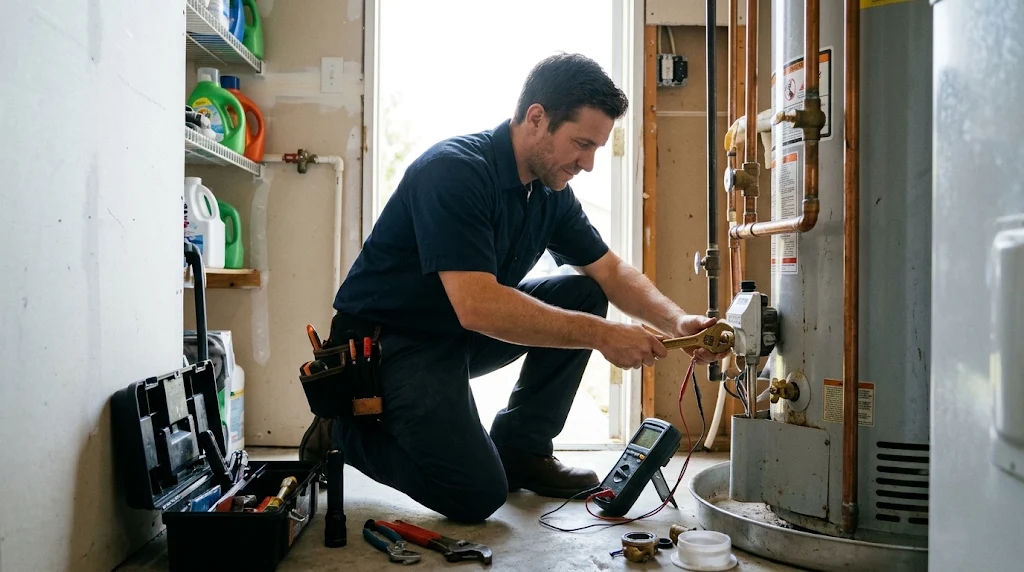
Understanding why a water heater makes popping noises is important for maintaining its performance and preventing expensive repairs. Homeowners often wonder whether Water Heater Repair Albuquerque NM services can identify and resolve these sounds. In many cases, professional repairs can eliminate the underlying problem by addressing sediment accumulation, faulty components, and heating-related issues.
The good news is that popping noises do not always mean a water heater needs replacement. Many problems can be corrected through proper inspection, cleaning, maintenance, or component repairs. Understanding the possible causes and available solutions helps homeowners make informed decisions about their water heating systems.
Why Water Heaters Make Popping Noises
Popping noises usually develop when something interferes with the normal heating process inside a water heater. These sounds can resemble small pops, crackling, knocking, or bubbling.
The source of the noise depends on the water heater's design, age, condition, and maintenance history.
Sediment Buildup Inside the Tank
Sediment accumulation is one of the most common explanations for popping noises in traditional tank-style water heaters.
Water naturally contains minerals and other dissolved substances. When water enters the tank and gets heated, some minerals separate and settle at the bottom.
Over time, these deposits create a layer of sediment.
When the heating element or burner heats water beneath or around this layer, trapped water can produce steam bubbles. As the bubbles escape through the sediment, they create popping or rumbling sounds.
This problem is particularly common in areas where water contains higher concentrations of dissolved minerals.
Overheating During the Heating Cycle
Another possible reason for popping noises is excessive heating.
When a water heater operates at an unusually high temperature, the water may heat unevenly or create conditions that increase noise.
A malfunctioning thermostat can contribute to this problem by failing to regulate the heating cycle correctly.
Overheating should never be ignored because it can increase pressure-related risks and place unnecessary stress on the appliance.
Normal Expansion and Contraction
Not every unusual sound indicates a serious mechanical problem.
Metal components inside a water heater expand when heated and contract when cooling. These temperature changes can sometimes produce clicking, ticking, or popping sounds.
However, persistent loud popping, especially when accompanied by rumbling or inconsistent hot water, deserves professional attention.
Can Water Heater Repair Albuquerque NM Stop Popping Noises?
Yes, professional repairs can often stop popping noises when they are caused by identifiable maintenance or mechanical problems.
The most important step is identifying the source of the sound rather than simply treating the noise itself.
Experienced technicians offering Water Heater Repair Albuquerque NM services can inspect the appliance, examine its heating components, and determine whether sediment buildup or another issue is responsible.
Professional Diagnosis of the Noise
A proper inspection helps distinguish between harmless operating sounds and symptoms of a developing problem.
A technician may examine:
-
The water heater tank and surrounding connections.
-
The thermostat and temperature settings.
-
Heating elements in electric models.
-
Burners and ignition components in gas models.
-
Pressure and temperature safety controls.
-
Signs of corrosion, leakage, or mineral accumulation.
This assessment helps establish an appropriate repair strategy.
For example, a tank with substantial sediment buildup may require professional flushing, while a malfunctioning thermostat may need replacement.
Removing Sediment Accumulation
If mineral deposits are responsible for the popping sounds, removing accumulated sediment may significantly reduce the noise.
Professional tank flushing involves draining the water heater and removing loose deposits from the tank.
The process can help restore normal heating performance and reduce unnecessary strain on the appliance.
However, heavily corroded or aging tanks require additional evaluation before flushing. A technician should determine whether the tank can safely undergo the procedure.
Repairing Faulty Heating Components
A water heater may also produce unusual noises when its heating components are not operating properly.
Electric models use heating elements to warm the water, while gas models use burners.
If these components malfunction, heating may become inconsistent.
Professional repairs can address damaged elements, faulty thermostats, burner problems, and other issues affecting the heating cycle.
Correcting the underlying fault can improve performance and reduce unusual sounds.
Common Water Heater Problems That Cause Popping Sounds
Understanding the different problems associated with popping noises helps homeowners recognize when professional assistance is necessary.
Mineral Deposits at the Bottom of the Tank
Mineral deposits gradually accumulate as water passes through the heating system.
These deposits can become increasingly noticeable when homeowners do not maintain their water heaters regularly.
A thick sediment layer can interfere with heat transfer and contribute to popping sounds.
It may also cause the appliance to consume more energy because heating becomes less efficient.
Faulty Thermostat
The thermostat controls how frequently the heating system operates and helps maintain the selected water temperature.
When the thermostat stops working correctly, the appliance may heat water beyond its intended temperature.
This can create operating conditions that contribute to unusual noises.
A qualified technician can test the thermostat and determine whether adjustment or replacement is necessary.
Damaged Heating Element
Electric water heaters contain one or more heating elements.
Over time, mineral deposits and normal wear can affect their performance.
A damaged heating element may cause inconsistent heating, insufficient hot water, and unusual operating sounds.
A professional inspection can determine whether the element needs replacement.
Loose Pipes and Connections
Sometimes, popping or knocking sounds do not originate inside the water heater tank.
Hot water moving through pipes can cause expansion and contraction. Pipes that are not adequately supported may move against nearby surfaces.
This movement can create repetitive knocking or popping sounds.
A technician can inspect accessible plumbing connections and identify areas requiring proper support.
How Professional Water Heater Repair Works
When homeowners contact a repair professional, the service generally begins with an inspection.
The exact process depends on the appliance type and the symptoms being reported.
Step 1: Initial Assessment
The technician asks when the noise occurs and whether it happens during heating, after hot water use, or continuously.
Additional information may include:
-
The water heater's approximate age.
-
Whether hot water runs out quickly.
-
Whether the water temperature changes unexpectedly.
-
Whether the appliance has received recent maintenance.
-
Whether unusual smells or leaks are present.
These details help narrow down possible causes.
Step 2: Inspecting Internal Components
The technician examines relevant components according to the water heater's design.
For an electric model, this may involve evaluating heating elements, electrical connections, and thermostats.
For a gas model, the inspection may include the burner assembly, ignition system, ventilation, and gas-related safety components.
Technicians also check for visible signs of leakage and corrosion.
Step 3: Identifying the Correct Repair
After diagnosing the issue, the technician explains the recommended solution.
Possible services include sediment removal, thermostat replacement, heating element repairs, plumbing adjustments, or other necessary maintenance.
The recommended work should address the actual source of the noise.
Step 4: Testing the Water Heater
Once repairs are completed, the technician checks the appliance's operation.
Testing may involve verifying the heating cycle, checking temperature regulation, examining connections, and confirming that the original symptoms have improved.
A properly completed repair should restore reliable operation while maintaining appropriate safety controls.
Why Regular Water Heater Maintenance Matters
Preventive maintenance is one of the most effective ways to reduce problems that contribute to unusual water heater noises.
Many homeowners only pay attention to their appliances when something stops working.
However, regular inspections can identify developing problems before they become expensive repairs.
Preventing Excessive Sediment Buildup
Periodic maintenance can help prevent sediment from accumulating excessively inside the tank.
The appropriate flushing schedule depends on water quality, manufacturer recommendations, and the appliance's condition.
Homes with mineral-rich water may require more frequent attention.
A professional can recommend a maintenance schedule based on the system's specific needs.
Improving Heating Efficiency
Sediment can interfere with heat transfer and increase the energy required to heat water.
Removing suitable deposits and maintaining the heating components can help the appliance operate more efficiently.
An efficient water heater may also provide more consistent hot water.
Extending Equipment Lifespan
Water heaters experience gradual wear from repeated heating cycles, mineral exposure, and normal component aging.
Regular inspections help identify corrosion, leaks, and failing parts.
Addressing these concerns early may extend the useful service life of the appliance.
Special Considerations for Albuquerque Homeowners
Water heater maintenance is particularly important for homeowners who want dependable hot water throughout the year.
Albuquerque's water conditions and seasonal temperature changes can influence plumbing and appliance maintenance requirements.
Understanding Local Water Conditions
Albuquerque receives water from different sources, and mineral content can vary depending on the supply.
Minerals such as calcium and magnesium contribute to water hardness.
When hard water is heated, these minerals can form deposits inside traditional storage tanks.
Homeowners experiencing repeated popping noises should consider having their water quality and water heater condition evaluated.
Preparing for Seasonal Temperature Changes
Winter temperatures can place additional demands on household plumbing systems.
Water heaters may operate more frequently when incoming water is colder.
This increased demand can make existing problems more noticeable.
Homeowners should also make sure exposed plumbing receives appropriate protection against freezing conditions.
Choosing Local Repair Professionals
Selecting an experienced local technician can make diagnosing and resolving water heater problems easier.
When comparing Water Heater Repair Albuquerque NM providers, consider their experience with your specific water heater type.
Look for professionals who:
-
Provide clear explanations of diagnosed problems.
-
Have appropriate licensing and insurance.
-
Understand local plumbing requirements.
-
Offer written estimates when appropriate.
-
Follow manufacturer recommendations.
-
Explain available repair and replacement options.
A reliable technician should never recommend unnecessary replacements without explaining why repairs may not be suitable.
Can You Fix Water Heater Popping Noises Yourself?
Some basic observations are appropriate for homeowners, but repairs involving electrical connections, gas components, pressure controls, or internal tank work should be handled by qualified professionals.
Homeowners can take a few simple steps without opening the appliance or disturbing its safety systems.
Observe When the Noise Happens
Pay attention to whether the popping occurs when the water heater starts heating, during extended hot water use, or after the heating cycle.
This information can help a technician understand the possible cause.
Check the Visible Area
Look around the outside of the appliance for obvious water leaks, corrosion, or unusual changes.
Do not remove access panels or attempt to inspect electrical or gas components.
If there is water around the heater, arrange a professional inspection.
Avoid Unnecessary Temperature Adjustments
Repeatedly changing thermostat settings is not a reliable way to resolve popping noises.
Keep the temperature within manufacturer-recommended and safety-conscious limits.
If the appliance appears to overheat or produces unusually hot water, stop using it and contact a qualified professional.
Know When to Stop Using the Appliance
Certain warning signs require immediate attention.
These include:
-
Water leaking from the tank.
-
A strong gas odor.
-
Smoke or burning smells.
-
Unusual pressure-related sounds.
-
Water that becomes dangerously hot.
-
Visible electrical damage.
If you smell gas, leave the area and contact the appropriate gas emergency service from a safe location. Do not operate electrical switches or attempt to locate the leak yourself.
Repair or Replace: Which Option Is Better?
Not every noisy water heater needs replacement.
The right decision depends on the appliance's age, condition, repair requirements, and overall performance.
When Repair Is Usually Appropriate
Repair may be a reasonable option when:
-
The tank is structurally sound.
-
The noise comes from removable sediment.
-
The thermostat needs replacement.
-
A heating element has failed.
-
Plumbing connections require adjustment.
-
The repair cost is reasonable compared with replacement.
In these situations, professional servicing may restore normal operation without requiring an entirely new appliance.
When Replacement May Be Necessary
Replacement becomes more practical when the water heater has extensive corrosion, serious tank leakage, repeated major failures, or an approaching end of its expected service life.
A leaking storage tank generally cannot be restored through ordinary repairs.
The technician should explain the condition of the equipment and compare the estimated repair expense with replacement costs.
Considering Long-Term Energy Costs
An older water heater may consume more energy than a newer, appropriately sized model.
If the existing appliance requires frequent repairs, replacement could provide better long-term value.
However, homeowners should compare the purchase price, installation requirements, efficiency, and expected operating costs before making a decision.
How Much Does It Cost to Stop Water Heater Popping Noises?
The cost depends on what causes the sound and how much work is necessary to correct it.
There is no single repair price that applies to every water heater.
Factors That Influence Repair Costs
Several factors affect the final service estimate.
Type of repair: Flushing sediment, replacing a thermostat, and repairing a heating element involve different amounts of labor and materials.
Water heater design: Gas, electric, tank, and tankless systems have different components and maintenance requirements.
Appliance accessibility: Difficult installation locations can increase labor time.
Condition of the system: Corrosion, additional plumbing problems, and damaged connections may require extra work.
Replacement parts: The price and availability of manufacturer-specific components can influence the total cost.
Getting an Accurate Estimate
Before authorizing repairs, ask the technician to explain the diagnosis and provide an estimate.
It is also useful to ask whether the repair includes testing and whether replacement parts carry a warranty.
Comparing estimates from qualified local professionals can help homeowners make a more informed decision.
Conclusion
Popping noises from a water heater can be frustrating, particularly when they interrupt an otherwise quiet household. Although these sounds do not always indicate a major failure, they should not be ignored. Sediment accumulation, overheating, faulty thermostats, damaged heating elements, and expanding plumbing connections are among the possible causes.
Professional diagnosis is the most reliable way to determine what is happening inside or around the appliance. In many situations, cleaning, flushing, component replacement, or plumbing adjustments can resolve the underlying problem and restore normal operation.
For Albuquerque homeowners, routine maintenance is especially valuable because mineral deposits can gradually affect storage water heaters. Regular inspections, appropriate maintenance schedules, and prompt attention to unusual operating sounds can help prevent more expensive problems.
Choosing experienced Water Heater Repair Albuquerque NM professionals also helps ensure that repairs are completed according to the appliance manufacturer's recommendations and applicable safety requirements. A qualified technician can explain whether the existing system can be repaired economically or whether replacement would be a better long-term investment.
Ultimately, stopping water heater popping noises requires more than simply reducing the sound. It means identifying the cause, correcting the problem, and maintaining the equipment properly. With professional attention and consistent maintenance, homeowners can enjoy more dependable hot water, improved appliance performance, and greater confidence in their household plumbing system.