

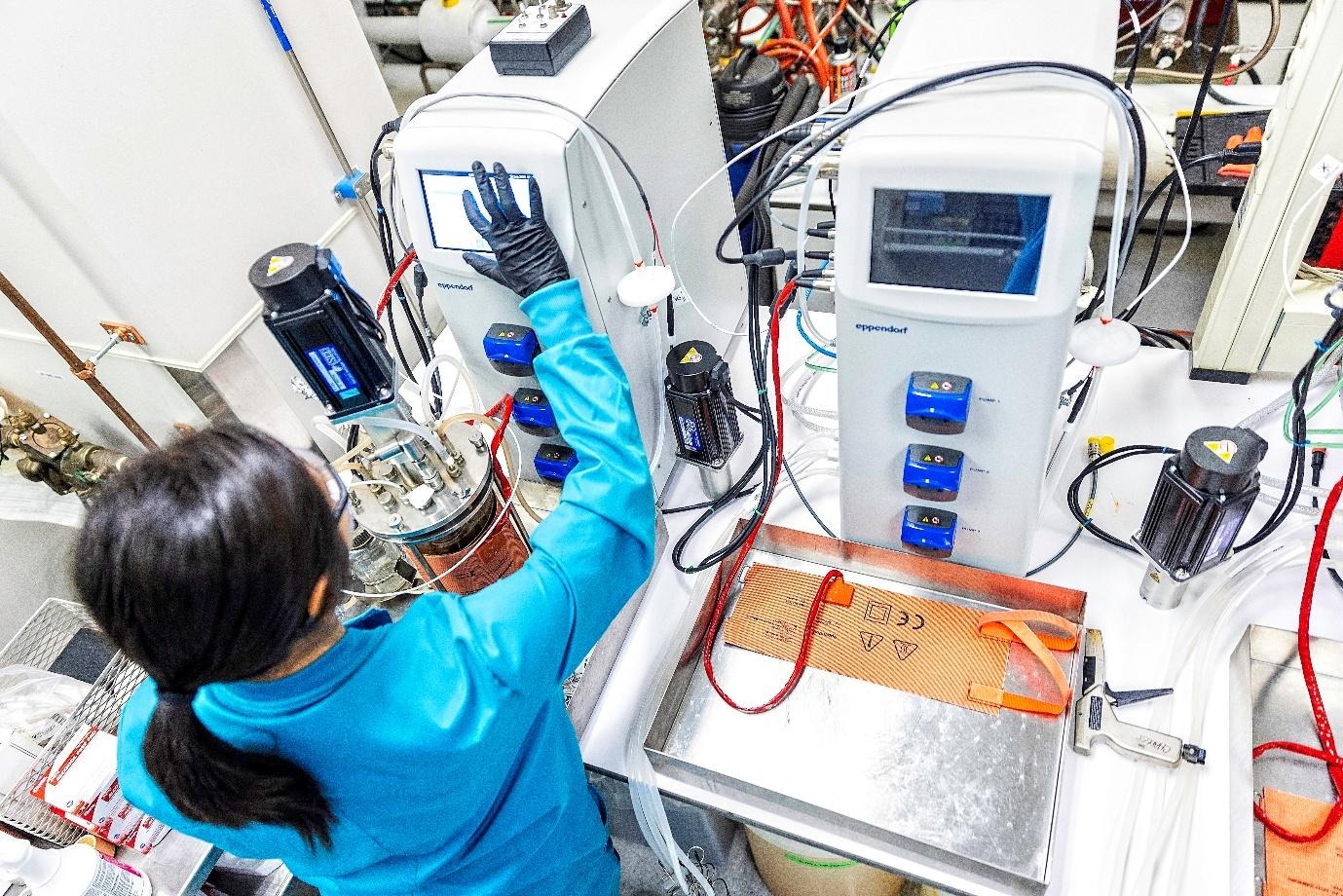
I have spent years working closely with researchers, biotech teams, and industrial partners who all share one common challenge: getting the right protein, in the right form, at the right scale. Off-the-shelf proteins rarely meet precise experimental or production needs. That’s why I firmly believe custom protein expression is not just a service—it’s a strategic advantage.
In this blog, I’m sharing my firsthand perspective on how custom protein expression solves target-specific challenges, what goes into building a successful expression strategy, and how you can make informed decisions that save time, reduce risk, and deliver reproducible results.
Why Target-Specific Protein Expression Matters
Every protein has its own personality. Some express easily and fold beautifully. Others are unstable, insoluble, toxic to host cells, or biologically inactive if expressed incorrectly. I’ve seen projects stall for months simply because a generic expression approach was used for a highly specific protein target.
Target-specific protein expression allows me to design every step—host system, vector, tag, induction conditions, and purification strategy—around the protein itself. This tailored approach leads to:
- Higher expression yields
- Correct folding and post-translational modifications
- Improved biological activity
- Faster timelines from gene to protein
When the protein performs as expected, downstream research, diagnostics, or manufacturing becomes far more predictable.
Understanding the Protein Before Expression Begins
I always start with deep protein characterization. Rushing into expression without understanding the target is one of the most common mistakes I see.
Key questions I address early include:
- Is the protein soluble or membrane-bound?
- Does it require disulfide bonds or glycosylation?
- Is it toxic to common host cells?
- What is the intended application—research, diagnostics, or therapeutics?
Answering these questions upfront helps me avoid costly rework and choose the most suitable expression system from day one.
Choosing the Right Expression System
No single expression system works for every protein. Custom protein expression is about matching the system to the target—not the other way around.
Bacterial Expression Systems
For many projects, E. coli remains my first choice due to its speed and cost efficiency. I rely on bacterial systems when:
- The protein does not require complex modifications
- Rapid turnaround is critical
- High yields are needed at low cost
However, bacterial systems are not ideal for every target, especially those requiring complex folding or glycosylation.
Yeast Expression Systems
Yeast offers a balance between simplicity and functionality. I often recommend yeast when:
- Mild post-translational modifications are required
- Secretion of the protein is beneficial
- Scalability is important
Mammalian Expression Systems
For therapeutic and diagnostic proteins, mammalian systems are often non-negotiable. I use them when:
- Authentic human-like modifications are essential
- Protein activity depends on precise folding
- Regulatory compliance is a future consideration
Custom expression ensures that the system supports the protein’s functional integrity.
Designing Expression Vectors for Precision
Vector design is where customization truly shines. I carefully select promoters, signal peptides, fusion tags, and selection markers based on the target protein’s behavior.
Small changes in vector design can lead to major improvements in:
- Expression levels
- Solubility
- Ease of purification
- Protein stability
This level of precision simply isn’t possible with generic constructs.
Expression Optimization: Where Success Is Defined
In my experience, expression optimization is the difference between average results and exceptional outcomes. I systematically adjust:
- Induction timing and temperature
- Media composition
- Host strain variants
- Expression duration
This iterative approach allows me to fine-tune conditions until the protein expresses efficiently and consistently. If you’re interested in how this process works in detail, click for more to see how expression optimization can dramatically improve protein performance.
Solubility and Folding: Solving the Hard Problems
Some proteins simply refuse to cooperate. I’ve worked with targets that formed inclusion bodies, degraded rapidly, or lost activity after purification.
To overcome these challenges, I use strategies such as:
- Fusion tags to improve solubility
- Co-expression with molecular chaperones
- Refolding protocols for insoluble proteins
- Controlled expression to reduce cellular stress
Custom protein expression gives me the flexibility to adapt until the protein behaves as required.
Purification Strategies Tailored to the Target
Expression success means little without effective purification. I design purification workflows that protect protein integrity while achieving high purity.
My purification decisions depend on:
- Protein size and structure
- Sensitivity to pH or salts
- Required purity level
- End-use application
Affinity tags, ion exchange, and size exclusion methods are combined strategically to ensure reproducibility and scalability.
Scaling from Bench to Production
One of the most valuable benefits of custom protein expression is scalability. I always plan with the future in mind—whether that’s gram-scale research production or industrial output.
By optimizing expression and purification early, I ensure that scale-up does not compromise:
- Yield
- Activity
- Consistency
This approach minimizes surprises during tech transfer or manufacturing expansion.
Quality Control for Reliable Outcomes
Quality is not optional. Every protein I deliver is evaluated for:
- Purity
- Identity
- Activity
- Stability
Consistent quality control ensures that the protein performs reliably across experiments, batches, and applications
Real-World Applications of Custom Protein Expression
I’ve seen custom protein expression drive success across multiple sectors, including:
- Drug discovery and development
- Diagnostic assay development
- Structural biology
- Enzyme engineering
- Industrial bioprocessing
In each case, tailoring expression to the protein target dramatically reduced development timelines and improved outcomes.
Why I Trust a Custom Approach
Generic solutions may appear cost-effective at first, but they often lead to delays, rework, and compromised results. Custom protein expression allows me to solve problems proactively rather than reactively.
Working with experienced teams like Lytic Solutions reinforces this philosophy. A collaborative, data-driven approach ensures that each protein is treated as a unique project—not a template.
How to Get Started with Custom Protein Expression
If you’re considering custom protein expression, my advice is simple:
- Define your protein’s purpose clearly
- Share as much information as possible upfront
- Prioritize optimization early
- Partner with experts who understand target-specific challenges
Clear communication and technical expertise make all the difference.
Final Thoughts
Custom protein expression has transformed how I approach protein production. By focusing on the specific needs of each target, I consistently achieve higher yields, better functionality, and more reliable results.
If you’re ready to move beyond one-size-fits-all solutions and want proteins that truly meet your application requirements, I encourage you to take the next step. Contact us to discuss your protein needs and explore how a custom expression strategy can support your goals.