
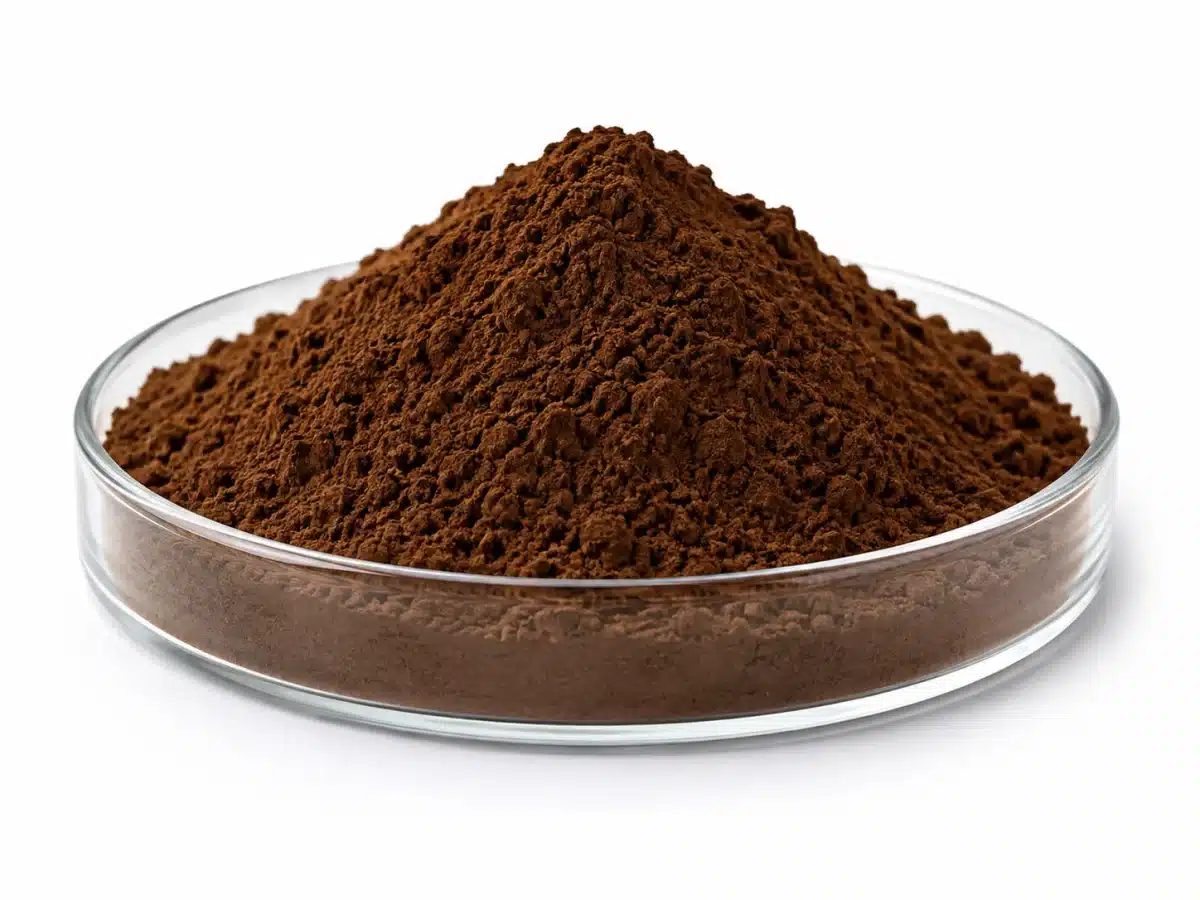
Sodium lignosulfonate is a versatile chemical material widely used in several industrial processes because of its dispersing, binding, and water-reducing properties. It is generally produced as a byproduct of the wood pulping process, where lignin is chemically modified to create a water-soluble compound. Because it can interact with water and various solid particles, Sodium Lignosulfonate has become valuable in construction, agriculture, ceramics, animal feed, and other manufacturing industries. Its combination of functionality, relatively low cost, and broad compatibility makes it an important industrial additive.
The basic function of sodium lignosulfonate comes from its molecular structure. Lignosulfonates contain sulfonate groups that make them soluble in water and allow them to interact with particles suspended in liquid. When added to certain mixtures, sodium lignosulfonate can help separate particles that would otherwise clump together. This dispersing action improves the consistency and workability of many industrial formulations. Its ability to form interactions with different materials also contributes to its effectiveness as a binder and processing aid.
One of the best-known uses of sodium lignosulfonate is in concrete production. It can function as a water-reducing admixture, allowing concrete manufacturers to achieve suitable workability with less mixing water. Reducing unnecessary water can contribute to improved strength and durability when the concrete is properly formulated. Sodium lignosulfonate may also improve the handling and pumping characteristics of cement-based mixtures. For construction projects, these properties can support more consistent concrete production while potentially improving material efficiency.
Sodium lignosulfonate is also useful as a dispersant in industrial manufacturing. In formulations containing fine particles, it can help prevent particles from rapidly settling or forming unwanted agglomerates. This property is valuable in products such as ceramics, pigments, dyes, and certain mineral-processing mixtures. Better particle dispersion can improve consistency, reduce processing difficulties, and contribute to more uniform finished products. The precise performance depends on the formulation, concentration, and characteristics of the materials being processed.
Another important application is dust control. Sodium lignosulfonate can act as a binding agent when applied to certain unpaved roads, mineral piles, and industrial surfaces. By helping fine particles adhere to one another, it can reduce the amount of dust released into the air by traffic, wind, and material handling. This makes it useful in mining, construction, agriculture, and other environments where airborne dust can interfere with operations. Proper application and site conditions are important for achieving effective and lasting results.
In agriculture, sodium lignosulfonate can be used as a binder and processing aid in fertilizer and soil-related products. Its binding properties can help manufacturers produce granules with suitable physical characteristics, while its dispersing behavior may assist with formulation and handling. It can also be incorporated into certain micronutrient products and agricultural formulations. Its usefulness in this area depends on local regulations, product specifications, and the particular crop or soil application involved.
The animal feed industry can also make use of sodium lignosulfonate as a pellet binder. During feed manufacturing, ingredients need to be compressed into stable pellets that can withstand transportation and handling. A suitable binder can improve pellet durability and reduce the formation of fines. Sodium lignosulfonate may help manufacturers achieve these characteristics while supporting efficient processing. As with any feed additive, its suitability depends on applicable regulatory requirements and the intended formulation.
Ceramic manufacturing represents another significant industrial application. Fine ceramic materials can be difficult to process because particles may separate unevenly or form undesirable clusters. Sodium lignosulfonate can help improve particle dispersion and contribute to better slurry characteristics. This can make molding, casting, and other manufacturing processes easier to control. Improved consistency may ultimately support better quality and reduced material waste, although the appropriate dosage must be determined according to the ceramic formulation.
The benefits of sodium lignosulfonate include versatility, water solubility, dispersing ability, binding performance, and compatibility with many industrial processes. It is also attractive because it originates from lignin, a renewable component of wood that would otherwise have limited value in some pulping processes. However, sodium lignosulfonate is not universally interchangeable across applications. Different grades can vary in purity, molecular characteristics, solids content, and performance, so manufacturers must select a grade that meets their technical requirements.
Overall, sodium lignosulfonate works primarily by modifying interactions between particles and liquids, making it useful as a dispersant, binder, water reducer, and processing aid. Its applications range from concrete and ceramics to agriculture, animal feed, and dust suppression. As industries continue to seek efficient materials that can improve processing while making better use of renewable resources, sodium lignosulfonate remains a valuable industrial ingredient. Understanding its properties and selecting the appropriate grade and dosage are essential for achieving reliable performance in any specific application.