
In today’s fast-paced digital world, businesses need efficient ways to communicate with their customers. One of the most popular methods is using WhatsApp for direct messaging.
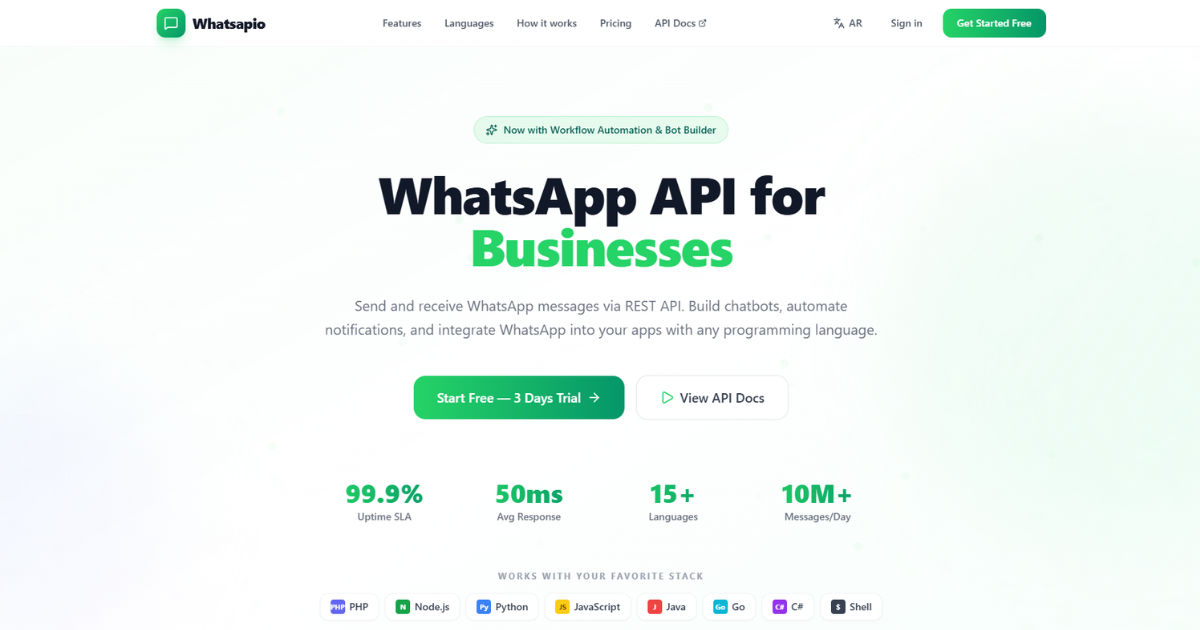 With millions of active users worldwide, WhatsApp has become more than just a chat app—it is now a powerful platform for customer engagement.
To make the process even more efficient, companies rely on a whatsapp automation tool. This tool helps businesses automate messages, handle customer queries, and streamline operations. In this blog post, we will explore how WhatsApp automation integration works, step by step.
Understanding WhatsApp Automation
Before diving into the integration process, it is essential to understand what WhatsApp automation is. WhatsApp automation involves using software tools to send messages, respond to inquiries, and manage interactions without manual intervention. This allows businesses to provide faster responses, reduce workload, and enhance customer satisfaction.
A whatsapp automation tool can do many things, such as sending welcome messages, providing automated responses, sharing product updates, and even processing orders. With proper integration, businesses can operate efficiently while maintaining a personal touch in their communications.
Benefits of Using a WhatsApp Automation Tool
Using a whatsapp automation tool brings several advantages for businesses of all sizes:
- Time-Saving: Automation reduces the need for repetitive tasks like replying to common questions or sending notifications.
- 24/7 Customer Support: Automated responses ensure that customers get instant replies, even outside business hours.
- Higher Engagement: Personalized and timely messages improve customer engagement and trust.
- Scalability: Businesses can handle thousands of messages simultaneously without hiring extra staff.
- Cost-Efficiency: Automating communication reduces operational costs by lowering the need for large support teams.
Understanding these benefits helps businesses see why integrating a whatsapp automation tool is crucial for growth.
Step 1: Choose the Right WhatsApp Automation Tool
The first step in integrating automation is selecting the right tool. There are many options available in the market, each with unique features. Some key factors to consider are:
- Compatibility: Make sure the tool supports WhatsApp Business API.
- Features: Look for features like auto-replies, scheduled messages, broadcast messaging, and analytics.
- Ease of Use: A user-friendly interface is essential, especially if your team is not tech-savvy.
- Integration Options: Check if the tool integrates with your existing CRM, e-commerce platform, or other software.
- Support: Ensure the tool provides reliable customer support in case of technical issues.
By carefully selecting a whatsapp automation tool, you set a strong foundation for successful integration.
Step 2: Set Up WhatsApp Business Account
Before automation, you need a verified WhatsApp Business account. This account is different from the regular WhatsApp app and provides business-specific features. Steps include:
- Download WhatsApp Business App: Available on iOS and Android.
- Register with a Business Phone Number: Use a number that is dedicated to your business communications.
- Complete Your Business Profile: Include business name, address, website, and description.
- Verify Your Business: This step may require submitting official documents to confirm your business identity.
A verified WhatsApp Business account is necessary to integrate a whatsapp automation tool effectively.
Step 3: Understand WhatsApp Business API
Automation is only possible with the WhatsApp Business API, which allows tools to send messages programmatically. Unlike the regular app, the API enables automated workflows. Key points include:
- The API requires approval from WhatsApp to ensure responsible use.
- It allows businesses to send notifications, order updates, appointment reminders, and customer support messages.
- You can integrate it with external software to handle large-scale communication efficiently.
Understanding the API ensures that your automation setup works correctly and follows WhatsApp’s policies.
Step 4: Integrate the Automation Tool
Once your WhatsApp Business account and API are ready, you can integrate your whatsapp automation tool. The process usually involves these steps:
- Connect the Tool with WhatsApp API: Most tools provide a setup wizard to link your WhatsApp Business account with the automation tool.
- Set Permissions: Grant the tool access to send messages, read incoming messages, and retrieve customer information.
- Configure Webhooks: Webhooks help the tool receive real-time notifications when a customer sends a message.
- Test the Connection: Send test messages to ensure the integration works as expected.
This step is crucial for a seamless automation workflow. If the connection fails, the automation will not function correctly.
Step 5: Define Automation Rules
After integration, you need to define rules for automation. Rules determine how the tool responds to different customer actions. Examples include:
- Auto-Responses: Respond to common queries like “What are your business hours?” automatically.
- Welcome Messages: Greet new customers as soon as they contact you.
- Order Updates: Notify customers about order confirmation, shipping, and delivery.
- Follow-Up Messages: Remind customers about pending payments, abandoned carts, or promotions.
Defining clear rules ensures your whatsapp automation tool works effectively without confusing customers.
Step 6: Segment Your Audience
Segmentation improves the efficiency of your WhatsApp automation. By dividing your customers into categories, you can send more relevant messages. Common segmentation methods include:
- Demographics: Age, gender, location.
- Purchase History: Frequent buyers vs. first-time customers.
- Behavioral Data: Customers who engage with specific products or campaigns.
Segmentation helps your whatsapp automation tool send personalized messages, which improves engagement and conversion rates.
Step 7: Create Message Templates
WhatsApp has strict guidelines for automated messages. Businesses must use pre-approved message templates for notifications and promotions. Steps include:
- Draft Templates: Write messages in a clear and professional tone.
- Submit for Approval: WhatsApp reviews templates to ensure they comply with policies.
- Use Templates in Automation: Once approved, you can schedule or trigger these messages automatically.
Using approved templates ensures your messages reach customers without being flagged as spam.
Step 8: Test Automation Workflows
Before launching full automation, testing is critical. Testing helps identify issues and ensures smooth operation. Steps include:
- Send Test Messages: Check if auto-replies and notifications work as expected.
- Verify Segmentation: Make sure messages are sent to the correct audience.
- Check Timing: Ensure messages are sent at optimal times for engagement.
- Collect Feedback: Test with a small group of customers and gather their feedback.
Proper testing guarantees your whatsapp automation tool provides a professional experience from day one.
Step 9: Monitor and Analyze Performance
After automation goes live, monitoring its performance is crucial. Most tools provide analytics dashboards with metrics such as:
- Message Delivery Rate: How many messages successfully reached recipients.
- Response Rate: How many customers replied to automated messages.
- Customer Engagement: Number of clicks, interactions, or inquiries generated.
- ROI: Evaluate how automation impacts sales and customer retention.
Analyzing performance allows businesses to tweak automation rules and improve results over time.
Step 10: Optimize Automation
Automation is not a set-it-and-forget-it process. Continuous optimization ensures maximum efficiency. Tips include:
- Update Templates: Keep messages fresh and relevant.
- Refine Segmentation: Adjust groups based on new customer data.
- Add New Workflows: Include additional scenarios like feedback requests or special promotions.
- Personalize Messages: Use customer names and previous purchase details for a personal touch.
Optimization ensures your whatsapp automation tool continues to provide value and enhances customer experience.
Common Mistakes to Avoid
While integrating a whatsapp automation tool, businesses should avoid these mistakes:
- Ignoring WhatsApp Policies: Sending unapproved messages can lead to account suspension.
- Over-Automation: Sending too many automated messages may annoy customers. Balance automation with personal interactions.
- Neglecting Testing: Skipping testing can cause errors and reduce trust.
- Poor Segmentation: Sending generic messages to everyone reduces engagement.
Avoiding these mistakes ensures that your automation remains effective and customer-friendly.
Conclusion
Integrating a whatsapp automation tool is a strategic move for any business looking to improve communication and efficiency. From choosing the right tool to setting up rules, templates, and workflows, each step plays a crucial role in ensuring smooth automation. By properly segmenting audiences, testing workflows, and monitoring performance, businesses can provide timely, personalized, and effective communication to their customers.
The advantages of automation—like time savings, 24/7 support, scalability, and increased engagement—make it an essential part of modern business operations. However, careful planning, adherence to WhatsApp policies, and continuous optimization are key to leveraging the full potential of a whatsapp automation tool.
With these steps, any business can successfully integrate automation, enhance customer satisfaction, and grow their brand presence through WhatsApp.