
Introduction
In modern industrial operations, safety and regulatory compliance are non-negotiable priorities. Industries such as oil and gas, chemical manufacturing, pharmaceuticals, mining, and power generation operate in environments where hazardous gases are often present. Without proper monitoring systems, these gases can pose serious threats to workers, equipment, and the environment.
One of the biggest challenges for industries today is maintaining strict compliance with occupational health and environmental safety regulations. Governments and regulatory bodies require continuous monitoring of gas emissions and workplace air quality to prevent accidents and pollution.
Professional gas detection systems for industrial compliance provide a reliable solution by ensuring accurate monitoring, early hazard detection, and full adherence to safety standards across industrial facilities.
What Are Professional Gas Detection Systems?
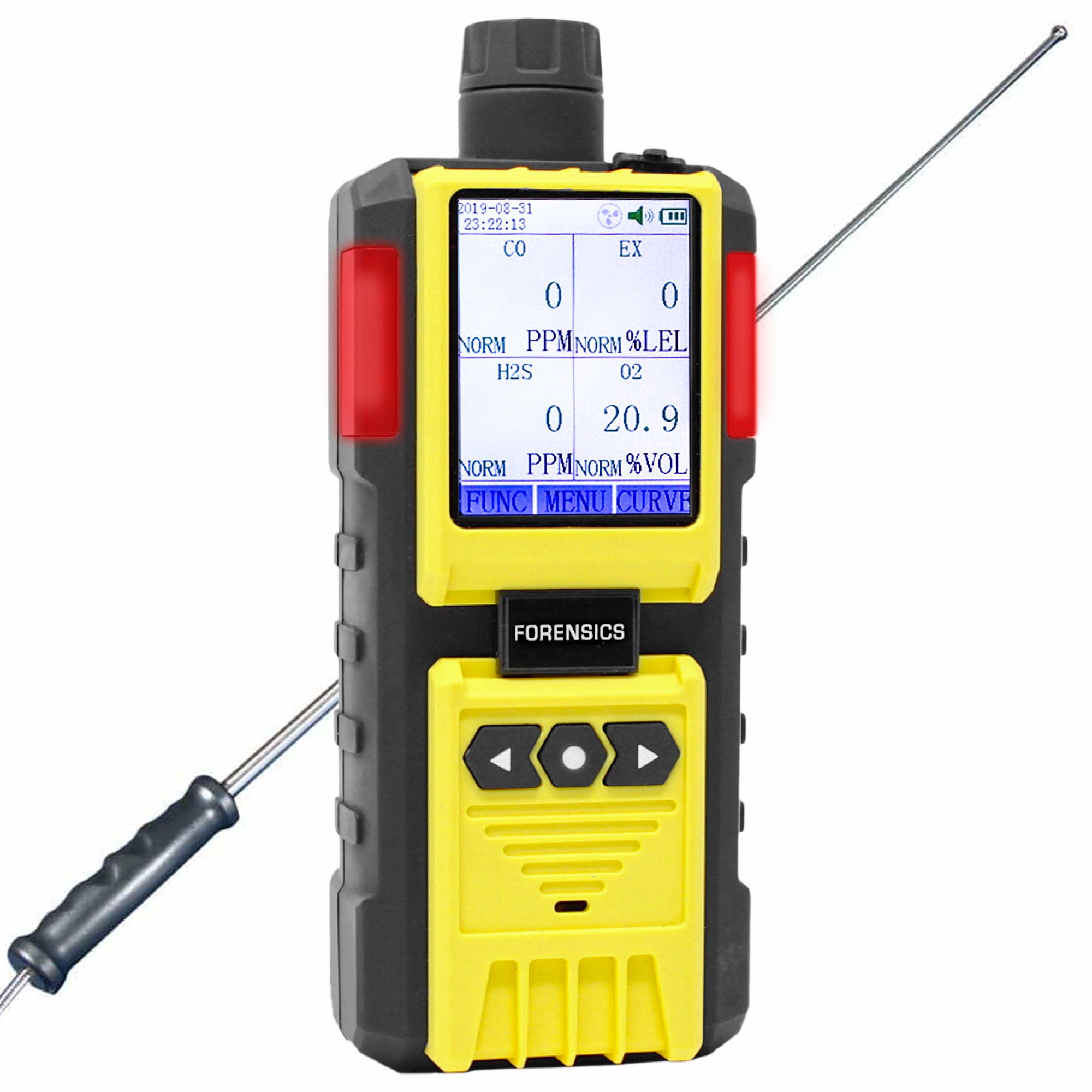
Professional gas detection systems are advanced monitoring solutions designed to detect, measure, and analyze hazardous gases in industrial environments. These systems use high-precision sensors to identify gases such as carbon monoxide, methane, hydrogen sulfide, ammonia, and other toxic or flammable substances.
Unlike basic detectors, professional systems are engineered for industrial-grade performance. They offer continuous monitoring, real-time alerts, and integration with safety control systems to ensure immediate response to gas leaks or abnormal concentrations.
These systems are essential for industries that must comply with strict safety and environmental regulations while maintaining efficient operations.
Importance of Gas Detection for Industrial Compliance
Compliance with industrial safety regulations is a critical responsibility for organizations. Failure to meet these standards can result in legal penalties, operational shutdowns, financial losses, and reputational damage.
Professional gas detection systems help industries meet compliance requirements by providing accurate and continuous monitoring of gas levels. This ensures that workplaces remain within safe exposure limits defined by regulatory authorities.
Another important aspect is worker safety. Regulatory bodies emphasize the protection of employees from hazardous gas exposure. Reliable detection systems help industries fulfill this obligation by identifying risks before they become dangerous.
Additionally, environmental compliance is becoming increasingly important. Gas detection systems help monitor emissions and reduce environmental impact, supporting sustainability goals and legal requirements.
Key Features of Professional Gas Detection Systems
Modern industrial gas detection systems come equipped with advanced features designed for accuracy, reliability, and compliance support:
- High-Accuracy Sensors: Detect even trace levels of hazardous gases.
- Continuous Monitoring: Provides 24/7 real-time air quality analysis.
- Multi-Gas Detection Capability: Monitors several gases simultaneously.
- Automated Alerts: Instant notifications via alarms, SMS, or control systems.
- Data Logging and Reporting: Maintains records for audits and compliance checks.
- Remote Monitoring: Access data from centralized control rooms or mobile devices.
- Self-Diagnostic Functions: Ensures system reliability and reduces downtime.
These features make professional systems essential tools for maintaining regulatory standards.
Applications in Industrial Sectors
Professional gas detection systems are widely used across industries where safety and compliance are critical:
- Oil and Gas Industry: Monitoring pipelines, refineries, and drilling operations
- Chemical Plants: Detecting leaks and ensuring safe chemical handling
- Power Generation Facilities: Controlling emissions and combustion safety
- Mining Industry: Monitoring underground gas accumulation
- Manufacturing Plants: Ensuring safe production environments
- Waste Management Facilities: Tracking harmful Kanalgasdetektor emissions
Each industry relies on tailored detection systems to meet specific regulatory requirements and operational risks.
Benefits of Professional Gas Detection Systems
Investing in professional gas detection systems offers numerous advantages for industrial organizations.
First, they ensure regulatory compliance by providing accurate and verifiable gas monitoring data required during inspections and audits. This reduces the risk of fines and legal action.
Second, they enhance workplace safety by detecting hazardous gases early and preventing exposure-related incidents. This creates a safer working environment for employees.
Third, they improve operational efficiency by reducing downtime caused by gas leaks or safety shutdowns. Continuous monitoring helps identify issues before they escalate.
Another key benefit is environmental protection. By monitoring emissions, industries can reduce pollution and meet sustainability targets effectively.
Finally, these systems provide valuable data insights that help improve process optimization and long-term operational planning.
How Gas Detection Supports Compliance Management
Professional gas detection systems play a vital role in compliance management strategies. They provide real-time data that can be used to generate reports for regulatory authorities.
Many systems are equipped with automated reporting tools that simplify documentation during audits. This ensures transparency and reduces administrative workload.
In addition, historical data tracking helps industries analyze trends, identify recurring issues, and implement preventive measures to improve safety standards over time.
Future of Industrial Gas Compliance Technology
The future of gas detection systems is moving toward smarter, more automated solutions. Integration with artificial intelligence and IoT technology is making compliance monitoring more predictive and efficient.
Future systems will be capable of identifying potential gas risks before they occur, allowing industries to take preventive action. Cloud-based monitoring and advanced analytics will further improve accuracy and regulatory reporting.
As industries continue to modernize, professional gas detection systems will become an even more essential part of compliance and safety frameworks.
Conclusion
Professional gas detection systems for industrial compliance are essential tools for ensuring workplace safety, regulatory adherence, and environmental protection. With advanced sensors, real-time monitoring, and automated reporting capabilities, these systems provide industries with the confidence to operate safely and efficiently.
As regulatory standards become stricter and industrial processes more complex, investing in reliable gas detection technology is not just a compliance requirement—it is a critical step toward building a safer and more sustainable industrial future.