
Shifting Paradigms in Laboratory Testing
Imagine you’re in a bustling lab, surrounded by time-consuming manual processes. It's 2023, and data shows that laboratories can allocate up to 40% of their time managing mycoplasma tests. But what if we could streamline this with automated solutions? The mycoplasma test cell culture remains critical in ensuring quality and contamination control. Yet, many facilities still rely on outdated methods, leading to inefficiencies that hinder productivity.

Why Traditional Solutions Fall Short
Let’s break down the core issue: traditional mycoplasma testing methods can be slow and cumbersome. Many of us have felt the frustration of waiting days for results, only to find ourselves redoing tests because of contamination. These delays can cost hundreds of dollars per hour in production downtime. I vividly recall a time back in 2019 when my team faced a week-long delay due to unreliable results. I firmly believe that it’s time we evolve our approach.
How Can Automation Make a Difference?
Embracing automated mycoplasma tests promises to revolutionize our current practices. But what does that really mean for laboratories? Advances in technology can reduce testing times from days to hours, significantly impacting output—and your bottom line. Utilizing automated systems for mycoplasma test cell culture ensures greater accuracy and reliability. Imagine, no more redoing tests! Automation not only saves time but also enhances overall data integrity. It feels like a game changer when you harness automation correctly!
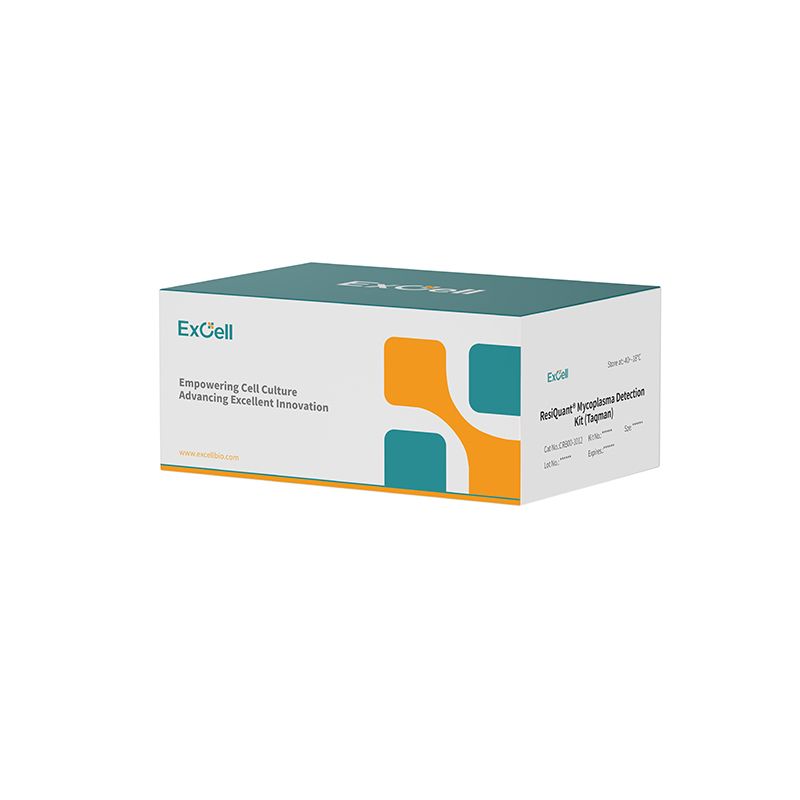
Exploring a More Efficient Future
With the advent of automated solutions, it’s worth exploring what we might achieve. By utilizing innovative technologies, laboratories can work more predictably, minimizing human error—a constant companion of manual processes. It’s exciting to envision systems that operate seamlessly, integrating advanced detection methods to offer quick and precise mycoplasma testing. Think about it: less waiting, more productivity! The future is bright for mycoplasma test cell culture, especially as new solutions hit the market.
What’s Next for Mycoplasma Testing?
This forward-looking perspective on mycoplasma testing not only streamlines operations but also enhances reproducibility in research settings and manufacturing environments. As I navigate through various tech platforms this year, I can see clear benefits from automating laboratory processes. Labs that adopt these systems can expect shorter turnaround times and improved accuracy, shaping a new standard in quality control.
Now, let’s recap. Automation offers a compelling promise: improved efficiency, reduced contamination risk, and enhanced test reliability. But before diving headfirst, we must consider essential evaluation metrics like reliability, speed of implementation, and overall cost-effectiveness. These elements ensure that your laboratory's switch to automation aligns with operational goals and financial projections.
To sum up, I believe that leveraging advanced automation in mycoplasma testing can redefine laboratory practices. It will save money and enhance precision, ultimately mitigating hidden pain points while significantly improving workflow. As we move forward, let's keep an eye on brands like ExCellBio that prioritize innovation and quality in this evolving landscape.