
When it comes to celebrating weddings, festivals, family gatherings, and cultural events, pakistani party wear dresses in Karachi remain one of the most popular fashion choices. Karachi is home to countless clothing brands, designer boutiques, and local markets that offer beautiful traditional outfits for women of every age. 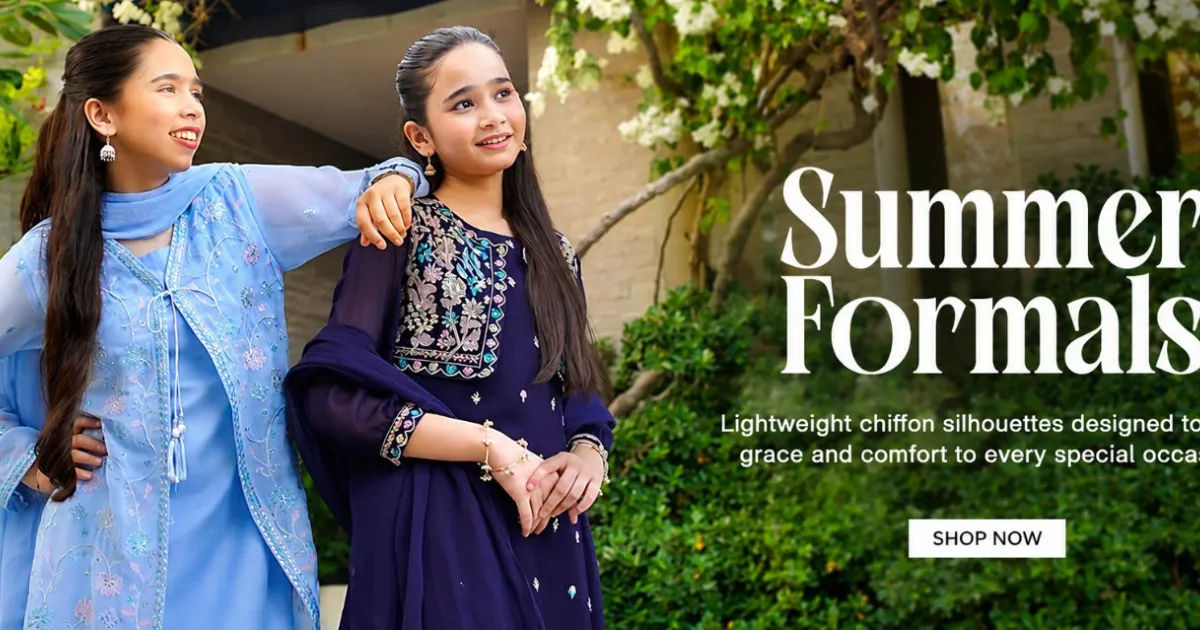
Traditional pakistani party wear dresses in Karachi has always reflected the country's rich cultural heritage. Elegant embroidery, handcrafted embellishments, graceful dupattas, and premium fabrics make these dresses stand out during special occasions. Today, many women want outfits that combine traditional beauty with modern comfort, making it easier than ever to find dresses that suit different events.
This comprehensive guide explores the most traditional styles, fabrics, colors, shopping destinations, and styling ideas to help you choose the perfect outfit.
Why Traditional Party Wear Never Goes Out of Style
Fashion trends change every year, but traditional Pakistani clothing continues to remain popular. These dresses celebrate culture while allowing women to express their personal style.
Traditional outfits are suitable for many occasions, including:
-
Weddings
-
Mehndi celebrations
-
Eid gatherings
-
Family dinners
-
Engagement ceremonies
-
Cultural festivals
-
Formal parties
Unlike trendy outfits that may become outdated quickly, traditional designs remain elegant for many years.
Popular Traditional Pakistani Party Wear Dresses in Karachi
Karachi offers an impressive variety of traditional outfits. Some styles have remained favorites for generations because they combine beauty with comfort.
Embroidered Shalwar Kameez
The embroidered shalwar kameez remains one of the most loved traditional outfits.
Designers often decorate these dresses with:
-
Thread embroidery
-
Tilla work
-
Mirror work
-
Sequins
-
Beads
-
Pearls
-
Handcrafted motifs
These dresses look graceful while maintaining a classic Pakistani appearance.
Long Frocks
Long frocks have become increasingly popular for formal gatherings.
Many traditional frocks feature:
-
Floor-length designs
-
Heavy embroidered bodices
-
Flared skirts
-
Rich borders
-
Decorative sleeves
These dresses create an elegant silhouette that suits women of different ages.
Angrakha Dresses
The angrakha style has deep historical roots.
Its overlapping front design creates a sophisticated appearance that works beautifully for weddings and festive celebrations.
Modern designers often blend traditional embroidery with contemporary cuts to make angrakha dresses even more attractive.
Anarkali Dresses
Anarkali dresses remain one of Pakistan's most iconic formal outfits.
Their flowing shape offers:
-
Comfort
-
Grace
-
Traditional elegance
-
Timeless beauty
Anarkalis are suitable for engagement parties, receptions, Eid celebrations, and family functions.
Beautiful Fabrics Used in Traditional Dresses
Fabric plays an important role in the overall appearance of party wear.
Chiffon
Chiffon is lightweight and graceful.
It flows beautifully while providing an elegant appearance that suits evening events.
Silk
Silk has always represented luxury.
Its natural shine makes it perfect for formal occasions where sophistication matters.
Organza
Organza has become extremely popular for festive outfits.
Its crisp texture adds volume while embroidered organza dupattas complete the traditional look.
Velvet
Velvet remains a favorite during winter weddings.
Its rich texture creates a royal appearance that pairs beautifully with heavy embroidery.
Lawn with Embroidery
During warmer months, embroidered lawn provides comfort without sacrificing elegance.
Many women choose lightweight fabrics for daytime celebrations.
Traditional Embroidery That Defines Pakistani Fashion
Embroidery transforms a simple outfit into a luxurious party dress.
Popular embroidery styles include:
-
Zari work
-
Tilla work
-
Dabka work
-
Mirror work
-
Gota work
-
Resham embroidery
-
Sequins
-
Stone embellishments
Handcrafted embroidery often adds uniqueness that machine-made designs cannot fully match.
Classic Colors That Reflect Tradition
Color selection plays a major role when choosing party wear.
Maroon
Maroon remains a timeless wedding favorite.
Its richness symbolizes celebration and elegance.
Emerald Green
Emerald green combines sophistication with cultural charm.
This color looks especially beautiful during evening events.
Royal Blue
Royal blue offers a luxurious appearance while remaining suitable for many occasions.
Deep Red
Traditional red continues to symbolize happiness and celebration.
Many brides and wedding guests prefer this timeless shade.
Mustard
Mustard has become increasingly popular for mehndi functions because of its vibrant and festive appearance.
Ivory and Gold
Ivory paired with gold embroidery creates a refined traditional look suitable for formal gatherings.
Popular Sleeve Styles
Sleeves influence the overall elegance of traditional dresses.
Popular options include:
-
Full sleeves
-
Bell sleeves
-
Straight sleeves
-
Embroidered cuffs
-
Sheer sleeves
-
Puff sleeves
Each style creates a unique appearance while maintaining traditional charm.
Traditional Dupattas Complete the Look
A beautiful dupatta enhances almost every traditional outfit.
Popular choices include:
-
Chiffon dupattas
-
Organza dupattas
-
Net dupattas
-
Silk dupattas
Many are decorated with lace, pearls, sequins, or embroidered borders.
Choosing the Right Dress for Weddings
Wedding events often require heavier designs.
When selecting pakistani party wear dresses in Karachi, consider:
-
Event timing
-
Dress code
-
Season
-
Comfort
-
Fabric quality
-
Embroidery level
Heavy embellishments work well for receptions, while lighter embroidery is ideal for daytime ceremonies.
Dresses for Mehndi Celebrations
Mehndi events encourage bright colors and joyful fashion.
Common color choices include:
-
Yellow
-
Orange
-
Green
-
Pink
-
Mustard
Mirror work and colorful embroidery help create a festive appearance.
Elegant Dresses for Eid
Eid celebrations usually call for stylish yet comfortable clothing.
Many women prefer:
-
Light embroidery
-
Soft fabrics
-
Floral prints
-
Pastel shades
-
Comfortable stitching
These features provide elegance while allowing freedom of movement throughout the day.
Accessories That Enhance Traditional Party Wear
Accessories can elevate even a simple outfit.
Popular choices include:
-
Jhumkas
-
Bangles
-
Chokers
-
Traditional necklaces
-
Khussas
-
Embellished heels
-
Clutches
Choosing matching accessories creates a polished and coordinated appearance.
How to Choose the Right Fit
A beautiful design cannot compensate for poor fitting.
Always consider:
-
Shoulder fit
-
Sleeve length
-
Waist measurement
-
Dress length
-
Comfort while walking
Proper tailoring enhances confidence and overall appearance.
Shopping Tips for Traditional Dresses in Karachi
Karachi offers countless shopping opportunities.
Before purchasing, remember to:
-
Compare prices.
-
Check stitching quality.
-
Inspect embroidery carefully.
-
Choose breathable fabrics.
-
Select colors that complement your skin tone.
-
Buy according to the event.
-
Set a realistic budget.
-
Prioritize comfort along with style.
These simple steps help you invest in dresses that remain beautiful for years while providing excellent value.
Conclusion
Choosing the right pakistani party wear dresses in Karachi is about finding the perfect balance between tradition, comfort, quality, and personal style.
Karachi offers an incredible variety of party wear, from elegant embroidered shalwar kameez and flowing Anarkali dresses to graceful long frocks and classic angrakha designs.
With so many fabrics, colors, and embellishment options available, every woman can find an outfit that suits her taste and the occasion.Before making a purchase, consider the event, the season, your budget, and the level of embroidery you prefer.