
Managing medicines becomes increasingly important as people grow older. Many elderly individuals take several medications to control chronic conditions, manage pain, improve mobility, or maintain their general health. However, remembering doses, understanding prescriptions, and following medication schedules can become challenging. These difficulties may increase the risk of missed doses, incorrect medication use, and unwanted side effects.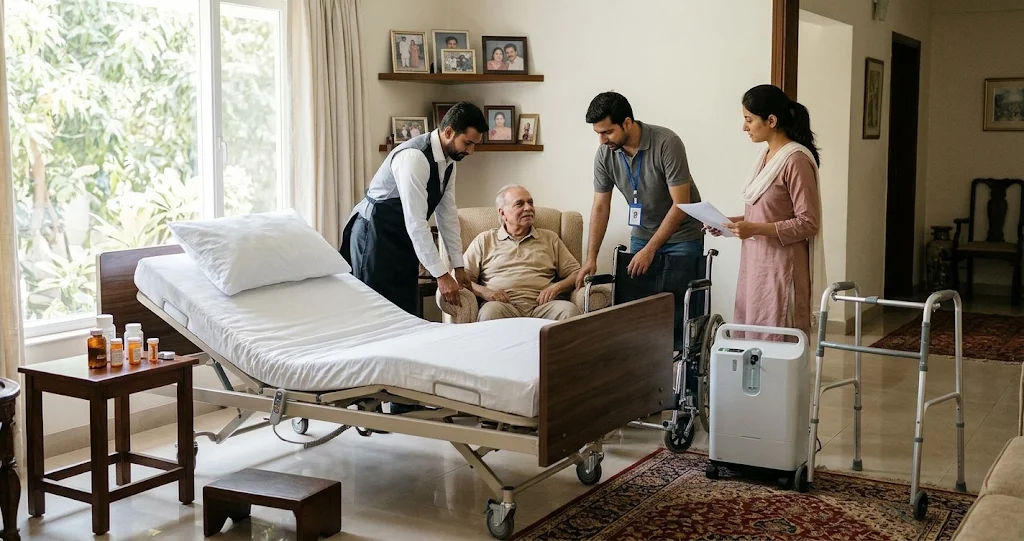
Medicine management is one of the most valuable forms of support that families can arrange for older adults. Professional caregivers can provide reminders, monitor medication routines, and help seniors follow instructions provided by healthcare professionals. With the right assistance, older individuals can maintain better routines while continuing to enjoy the comfort of their familiar surroundings.
Elderly Care at Home can make medication management easier by providing consistent support, supervision, and practical assistance according to an older person's individual needs. Whether someone takes only one daily medicine or follows a complicated prescription schedule, appropriate home care can reduce confusion and help families feel more confident about their loved one's well-being.
Understanding how caregivers assist with medicines, what responsibilities they can safely perform, and when professional medical advice is necessary can help families make informed decisions.
Why Is Medication Management Important for Elderly People?
Medication management involves taking the correct medicine, in the appropriate amount, at the recommended time, and according to professional instructions.
Older adults often experience several health conditions simultaneously. These may include diabetes, high blood pressure, arthritis, heart disease, and other age-related concerns. Managing multiple prescriptions can become difficult without a reliable system.
Some elderly individuals also experience memory problems, reduced eyesight, hearing difficulties, or limited mobility. These challenges can affect their ability to read medicine labels, open packaging, or remember scheduled doses.
Proper medication management helps prevent avoidable mistakes and supports more consistent treatment routines.
Preventing Missed Medication Doses
Missing prescribed medication can interfere with treatment. For example, someone who forgets to take blood pressure medicine regularly may struggle to maintain the intended treatment routine.
Caregivers can provide reminders when medication is due. They can also help seniors follow written schedules and establish consistent daily habits.
Reducing Medication Errors
Taking the wrong medicine or repeating a dose accidentally can create serious health risks.
A caregiver can help an elderly person identify medicines using an approved medication list and organize reminders around the prescribed schedule.
This support is particularly valuable when several medicines look similar or have complicated instructions.
Supporting Long-Term Health Conditions
Many older adults require medication for long-term conditions. Consistency is important because treatment often depends on following a healthcare professional's recommendations over time.
Reliable assistance can help seniors maintain their routines and communicate difficulties to family members or healthcare providers.
How Can Elderly Care at Home Help With Medicines?
Professional home care can provide different levels of medication assistance depending on the senior's health, independence, and care requirements.
Some individuals only need occasional reminders, while others require regular supervision or assistance from a qualified healthcare professional.
Elderly Care at Home creates an opportunity to make medication routines more organized without requiring seniors to leave their homes for everyday support.
Providing Timely Medication Reminders
One of the simplest but most useful services is reminding elderly individuals when to take their prescribed medicines.
Caregivers can follow a schedule prepared according to the doctor's instructions. They may use written charts, alarms, calendars, or other reminder systems.
For example, a senior who takes medicine in the morning and evening can receive reminders at the appropriate times.
These reminders are especially helpful for individuals who occasionally forget their medication because of age-related memory changes.
Helping Organize Medicines
Keeping medicines organized can prevent confusion.
Caregivers can assist families in arranging medication containers, checking labels, and separating medicines according to an approved schedule.
A medication organizer with clearly marked compartments may also help seniors understand which medicines belong to different times of the day.
However, medicines should only be transferred into organizers when this is appropriate. Some medications require original packaging because of storage, moisture, light, or safety considerations.
Maintaining Medication Schedules
An elderly person may have several prescriptions with different instructions.
Some medicines must be taken with food, while others may need to be taken on an empty stomach. Certain medications also require specific spacing between doses.
Caregivers can help maintain an updated medication schedule based on instructions from healthcare professionals.
A written schedule makes it easier to identify which medicines are due and reduces unnecessary confusion.
What Medication-Related Tasks Can Home Caregivers Perform?
The exact responsibilities of a caregiver depend on their qualifications, training, local regulations, and the service arrangement.
It is important to distinguish between general caregiving assistance and clinical medication administration.
General Medication Assistance
Non-clinical caregivers may help with everyday tasks such as:
-
Reminding seniors about scheduled medicines.
-
Reading medication labels when appropriate.
-
Helping locate prescribed medicines.
-
Maintaining written medication records.
-
Informing family members about missed doses.
-
Notifying healthcare professionals about observed concerns.
-
Helping arrange prescription refills.
These activities support medication routines without replacing professional medical judgment.
Assistance From Qualified Nursing Professionals
Some medication-related tasks require a licensed or otherwise appropriately qualified healthcare professional.
Depending on local regulations and professional authorization, nursing staff may provide services such as administering prescribed medications, giving injections, monitoring certain treatment responses, and documenting clinical observations.
For example, an elderly patient who requires insulin injections may need assistance from a suitably trained professional.
Families should always confirm that the person providing clinical medication services has the necessary qualifications.
Monitoring Medication Records
Keeping accurate records is an important part of safe medication management.
A caregiver or nurse can document relevant activities according to their responsibilities and the care plan.
These records may include:
-
Medication reminders provided.
-
Doses administered by an authorized professional.
-
Medicines refused by the patient.
-
Missed or delayed doses.
-
Unusual symptoms reported by the patient.
-
Concerns communicated to family members.
Accurate documentation helps prevent misunderstandings and supports communication between caregivers, relatives, and healthcare providers.
Can Elderly Care at Home Help Seniors Taking Multiple Medicines?
Yes. Seniors who take several medicines may benefit significantly from structured support.
Multiple prescriptions can make daily routines complicated, particularly when medicines have different strengths, timings, and instructions.
A person might take one medicine before breakfast, another after eating, and additional prescriptions in the evening.
Without proper organization, remembering every detail can become overwhelming.
Creating a Personalized Medication Chart
A medication chart provides a simple overview of the prescribed routine.
It may include the medicine's name, prescribed strength, scheduled time, and relevant instructions.
For example:
|
Medication detail |
Information to include |
|---|---|
|
Medicine name |
Exact prescribed name |
|
Strength |
As written on the prescription |
|
Timing |
Morning, afternoon, or evening |
|
Food instructions |
Before, with, or after food |
|
Special instructions |
As advised by the doctor |
The chart should be updated whenever a healthcare professional changes the treatment plan.
Caregivers should never independently change medication strengths, timings, or quantities.
Avoiding Confusion Between Similar Medicines
Some medicines have similar packaging or names. This can create problems for elderly individuals with poor eyesight or memory difficulties.
Organizing medicines carefully and checking labels against the current prescription can reduce confusion.
Families should avoid relying on appearance alone when identifying medication.
Coordinating With Family Members
When several relatives participate in caring for an older adult, communication becomes essential.
A caregiver can help maintain a consistent routine and communicate relevant information to designated family members.
This prevents situations in which two people unknowingly provide the same dose or assume that someone else has already managed the medication.
How Does Home Care Support Seniors With Memory Problems?
Memory difficulties can make medication management particularly challenging.
An elderly person may forget whether they have already taken a medicine, confuse morning and evening doses, or struggle to remember instructions.
For people experiencing cognitive decline, a reliable care routine can provide valuable support.
Using Consistent Daily Routines
Repeating activities at similar times each day can make medication management easier.
For example, a caregiver may remind a senior about prescribed morning medicines during the usual breakfast routine.
Evening reminders can become part of the bedtime routine.
Consistency makes medication schedules more familiar and easier to follow.
Using Visual Reminders
Simple visual tools can support individuals who struggle with remembering verbal instructions.
These may include:
-
Clearly written medication charts.
-
Large-print medicine schedules.
-
Marked daily calendars.
-
Color-coded reminders where appropriate.
-
Clearly labeled storage areas.
Visual reminders should be simple and easy to understand.
Providing Patient and Respectful Assistance
Older adults with memory difficulties may need repeated reminders.
Caregivers should remain calm, respectful, and patient rather than making seniors feel embarrassed about forgetting something.
Maintaining dignity is an important part of quality care.
If memory problems become more noticeable, families should discuss them with a healthcare professional to determine whether further assessment is necessary.
Can Caregivers Monitor Medication Side Effects?
Caregivers can help observe and communicate possible side effects, although they cannot independently diagnose medication reactions.
Older adults may experience changes after starting a new prescription or adjusting an existing treatment.
These changes may be related to medication, an underlying condition, dehydration, infection, or another health concern.
Recognizing Possible Warning Signs
Caregivers can watch for unusual changes such as:
-
Dizziness or unexpected weakness.
-
Excessive sleepiness.
-
Nausea or vomiting.
-
Skin irritation or rashes.
-
Changes in appetite.
-
Unusual confusion.
-
Difficulty walking or maintaining balance.
These symptoms do not automatically mean that a medicine is responsible. However, they should be communicated to an appropriate healthcare professional.
Communicating Concerns Promptly
When a caregiver notices an unusual reaction, they should document what happened and inform the family or relevant healthcare provider.
The information may include when the symptom started, whether a new medicine was recently introduced, and whether the condition is getting worse.
Severe allergic reactions, difficulty breathing, fainting, or other emergency symptoms require immediate medical attention.
Caregivers should never stop, increase, reduce, or replace prescribed medicines without appropriate medical direction.
What Should Families Prepare Before Arranging Medication Assistance?
Preparing accurate information makes it easier to establish a safe medication routine.
Before arranging care, families should gather the necessary documents and explain the senior's daily requirements.
Prepare an Updated Medication List
The medication list should include all prescribed medicines, over-the-counter products, vitamins, and supplements.
This information helps healthcare professionals identify possible interactions and understand the complete treatment routine.
Families should also include known medication allergies and relevant instructions.
Share the Doctor's Instructions
Caregivers need clear information about what assistance is expected.
Families should provide current prescriptions and explain any changes recommended by healthcare professionals.
Old prescriptions should not be treated as current instructions.
Explain the Senior's Individual Needs
Every elderly person has different abilities and challenges.
Some may have difficulty opening bottles, while others may struggle with memory or reading small labels.
Explaining these difficulties helps caregivers provide appropriate assistance.
Establish Emergency Contact Arrangements
Families should identify whom caregivers must contact if a medication problem occurs.
Emergency contact information should be accessible, along with details of the senior's healthcare provider where appropriate.
This preparation improves communication and helps everyone understand their responsibilities.
What Are the Benefits of Elderly Care at Home for Medication Management?
Home-based assistance can offer practical and emotional benefits to both seniors and their families.
It allows older adults to receive support while remaining in a familiar environment.
Elderly Care at Home can also make medication routines more consistent by combining reminders, observation, organization, and communication.
Greater Independence for Seniors
Not every older adult needs someone to administer medication.
Many seniors remain capable of taking their medicines independently but benefit from occasional reminders or help organizing their prescriptions.
Caregivers can provide the required support without unnecessarily taking control of everyday activities.
This approach encourages independence while addressing specific difficulties.
Reduced Stress for Family Members
Relatives may have work commitments, household responsibilities, and other personal obligations.
Although they want to ensure that elderly family members take their medicines correctly, providing constant supervision may not always be possible.
Professional caregiving can provide additional support and improve communication about medication routines.
Familiar and Comfortable Surroundings
Some seniors feel more comfortable receiving assistance in their own homes.
They can maintain familiar daily habits while receiving help with medication-related activities.
A comfortable environment may also make it easier for caregivers to understand the person's routine and individual preferences.
More Consistent Communication
Regular caregivers can become familiar with a senior's usual behavior and daily needs.
They may notice when someone starts refusing medication, experiencing difficulty swallowing tablets, or struggling to follow instructions.
Communicating these observations helps families arrange appropriate medical advice.
What Are the Limitations of Medication Assistance at Home?
Although home care offers valuable support, families should understand that caregivers cannot replace doctors, pharmacists, or qualified nursing professionals.
Medication management must remain within appropriate professional responsibilities.
Caregivers Cannot Prescribe Medicines
Only appropriately authorized healthcare professionals can prescribe medication.
A caregiver should never recommend a new prescription, substitute one medicine for another, or independently change a treatment plan.
Reminders Do Not Guarantee Medication Safety
A reminder can help someone remember a dose, but it cannot eliminate every medication risk.
Seniors may refuse medicines, misunderstand instructions, or experience unexpected reactions.
Caregivers must report these situations rather than attempting to solve clinical problems independently.
Some Patients Need Skilled Nursing Support
Individuals requiring injections, complex medication administration, or close clinical monitoring may need qualified nursing care.
Families should assess the senior's condition and select a service with appropriate professional capabilities.
Medication Changes Require Professional Guidance
A doctor may change a prescription after reviewing a patient's health, symptoms, or test results.
Caregivers must follow the updated instructions and ensure that outdated medication schedules are replaced.
How Can Families Choose the Right Home Care Service?
Selecting a suitable service requires more than comparing prices.
Families should consider the caregiver's experience, qualifications, reliability, communication practices, and ability to meet the senior's needs.
Check Caregiver Qualifications
Ask whether the caregiver has experience supporting elderly individuals with medication routines.
If clinical medication administration is required, confirm that the professional has the necessary license, training, and authorization.
Discuss the Care Plan
A suitable provider should understand the senior's medication schedule and explain exactly what assistance will be offered.
Families should know whether the service includes reminders, recordkeeping, nursing visits, or other relevant support.
Ask About Communication
Regular communication helps families remain informed about medication-related concerns.
Ask how missed doses, refusals, unusual symptoms, and prescription changes will be reported.
Consider Flexible Care Arrangements
Some seniors need only a few hours of assistance each day.
Others may require extended supervision or regular nursing visits.
Choosing a service that matches the actual care requirements can make support more practical and manageable.
Conclusion
Medication management is an important part of elderly care because taking the correct medicine at the appropriate time supports ongoing treatment and helps reduce avoidable medication errors. However, remembering prescriptions, understanding instructions, organizing medicines, and monitoring possible side effects can become increasingly difficult as people grow older.
Professional home-based support can make these responsibilities easier by introducing organized medication schedules, regular reminders, accurate documentation, and better communication between seniors, relatives, and healthcare professionals.
Elderly Care at Home can be particularly helpful for older adults who take multiple prescriptions, experience memory difficulties, have limited mobility, or need additional assistance with everyday health routines. Caregivers can provide practical support while qualified nursing professionals handle clinical medication tasks within their professional authorization.
Families should remember that medication assistance does not mean changing prescriptions or making independent medical decisions. Doctors and pharmacists remain responsible for professional treatment guidance, while caregivers help seniors follow the established care plan.
Before arranging a service, families should prepare an updated medication list, discuss individual requirements, confirm caregiver qualifications, and establish clear communication arrangements. They should also make sure that any unusual symptoms or medication concerns are reported promptly.
Ultimately, the right home care arrangement can help elderly individuals maintain greater independence, follow their prescribed medication routines, and feel more comfortable in their familiar surroundings. With patient assistance, professional guidance, and family involvement, medication management can become a more organized and reassuring part of everyday life.