
Food packaging has become one of the most important parts of the modern food industry. From preserving freshness to protecting products during transportation, proper packaging ensures that food reaches customers in the best possible condition.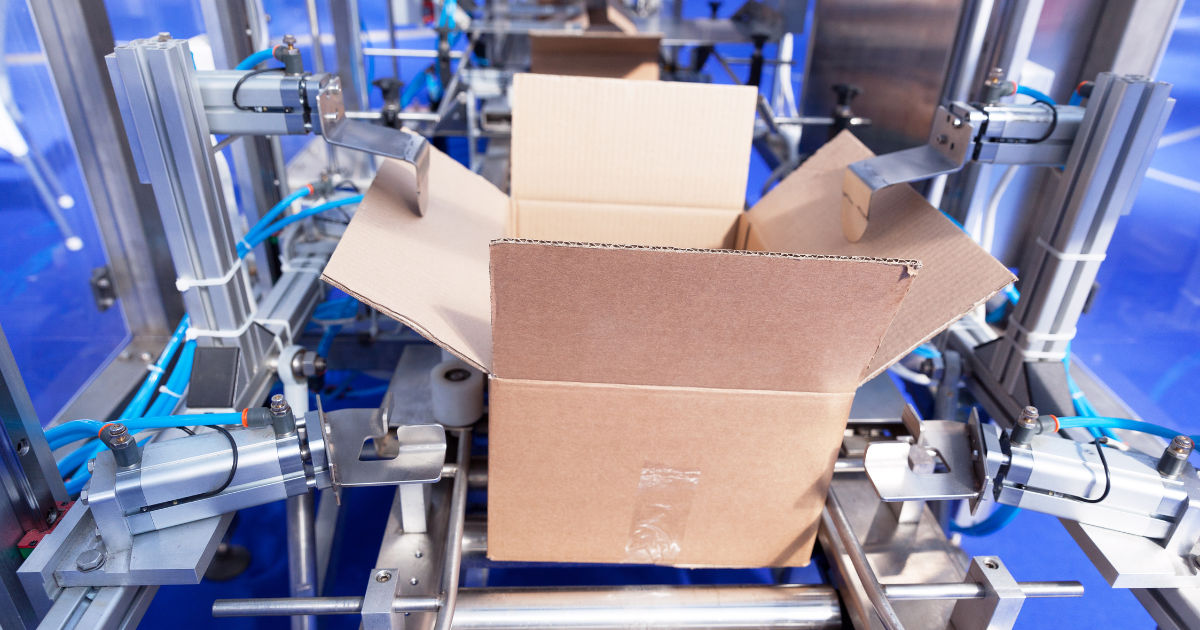
Packing machines have transformed this process by making food packaging faster, safer, and more efficient. Whether used by small businesses or large manufacturing plants, Packing machines help maintain quality while reducing waste and labor costs.
Today, consumers expect food products to be clean, well-packaged, and safe to eat. Companies must also meet strict food safety standards while keeping production costs under control. This is where Packing machines play a vital role. They automate packaging tasks, improve consistency, and reduce the chances of contamination. As technology continues to advance, these machines are becoming smarter, more reliable, and capable of handling a wide range of food products.
This comprehensive guide explains how Packing machines improve food packaging, their benefits, types, applications, and why they have become an essential investment for food manufacturers.
Packing Machines
Packing machines are automated or semi-automated systems designed to package food products quickly and accurately. They perform tasks such as filling, sealing, wrapping, labeling, weighing, and boxing products. These machines are available in different sizes and configurations to suit businesses of every scale.
The primary purpose of Packing machines is to ensure that food products remain protected throughout storage, transportation, and retail display. Modern equipment can package thousands of products every hour while maintaining consistent quality.
Different food industries require different packaging methods. For example, bakery products need protective wrapping, frozen foods require airtight sealing, and liquid products need leak-proof containers. Packing machines are designed to meet these specific requirements with high precision.
The Importance of Food Packaging
Food packaging serves several important purposes beyond making products look attractive. It protects food from contamination, preserves freshness, extends shelf life, and provides useful information to consumers.
Without proper packaging, food products can spoil quickly due to exposure to moisture, oxygen, bacteria, or physical damage. Packing machines help manufacturers produce secure packaging that maintains product quality from the factory to the customer's table.
Effective packaging also builds consumer confidence. Customers are more likely to purchase products that appear clean, professionally packed, and securely sealed.
How Packing Machines Improve Food Safety
Food safety is one of the biggest concerns in food production. Consumers expect products to meet strict hygiene standards, and government regulations require manufacturers to follow safe processing methods.
Packing machines reduce direct human contact with food products. Since automation handles much of the packaging process, the risk of contamination from workers is significantly reduced.
Modern machines are made from food-grade stainless steel, making them easy to clean and resistant to bacteria. Many systems also include automatic cleaning functions that maintain high hygiene standards throughout production.
Accurate sealing is another important safety feature. Packing machines create airtight packages that prevent bacteria, moisture, and outside contaminants from entering the product.
By improving sanitation and packaging quality, businesses can reduce food recalls and protect their reputation.
Increasing Production Speed
Manual packaging is often slow and labor-intensive. Employees can only package a limited number of products each hour, especially when accuracy is important.
Packing machines dramatically increase production speed. Automated systems can fill, seal, label, and package products continuously with minimal interruptions.
High-speed packaging allows manufacturers to meet growing customer demand without sacrificing quality. During seasonal peaks or promotional campaigns, businesses can maintain production targets more easily.
Faster packaging also reduces delays in the supply chain. Products move from manufacturing to distribution centers more quickly, ensuring fresher food reaches retailers and consumers.
Improving Packaging Consistency
Consistency is essential in food manufacturing. Every package should contain the correct amount of product and have a uniform appearance.
Packing machines use advanced sensors and automated controls to ensure every package meets the same standards. This creates a professional appearance across the entire product line.
Uniform packaging improves shelf presentation and strengthens brand recognition. Customers appreciate products that consistently meet their expectations.
Consistent packaging also minimizes customer complaints related to underfilled packages, damaged seals, or uneven wrapping.
Reducing Food Waste
Food waste is a major challenge for manufacturers and consumers alike. Poor packaging can allow products to spoil before they are sold or consumed.
Packing machines help reduce waste by creating secure seals that preserve freshness and protect food from environmental factors.
Accurate filling systems also minimize product loss during production. Instead of overfilling containers or spilling ingredients, automated equipment dispenses precise quantities every time.
Reducing waste benefits both businesses and the environment by lowering production costs and conserving valuable resources.
Extending Shelf Life
Many food products require protection from oxygen, moisture, and light to remain fresh.
Packing machines use advanced packaging techniques such as vacuum sealing and modified atmosphere packaging to extend shelf life.
Vacuum packaging removes air from the package, slowing bacterial growth and oxidation.
Modified atmosphere packaging replaces oxygen with gases such as nitrogen or carbon dioxide to preserve freshness for longer periods.
Longer shelf life reduces spoilage during transportation and gives retailers more time to sell products before expiration dates.
Lowering Labor Costs
Hiring and training packaging staff can be expensive, especially for large manufacturing facilities.
Packing machines automate repetitive tasks that would otherwise require multiple workers. While employees are still needed for supervision, maintenance, and quality control, fewer people are required for manual packaging.
Lower labor costs allow businesses to invest more in product development, marketing, and equipment upgrades.
Automation also reduces employee fatigue caused by repetitive packaging tasks, improving workplace safety and job satisfaction.
Enhancing Product Appearance
Packaging influences purchasing decisions. Attractive, professional packaging makes products stand out on crowded retail shelves.
Packing machines produce neat seals, wrinkle-free wrapping, and accurately positioned labels. This creates an appealing appearance that attracts customers.
Professional packaging also strengthens brand identity. When every package looks consistent, customers recognize the brand more easily.
High-quality packaging communicates reliability, cleanliness, and attention to detail.
Supporting Different Packaging Materials
Modern food companies use a wide variety of packaging materials depending on product requirements.
Packing machines can work with plastic films, paper, cardboard, aluminum foil, glass containers, flexible pouches, trays, and biodegradable materials.
This flexibility allows manufacturers to adapt to changing market trends and customer preferences.
As sustainable packaging becomes more popular, many Packing machines are designed to handle environmentally friendly materials without sacrificing efficiency.
Improving Accuracy
Accuracy is essential in food packaging because incorrect package weights can result in customer complaints and regulatory penalties.
Packing machines use digital weighing systems and precision filling equipment to ensure every package contains the correct amount of product.
Accurate packaging reduces product giveaway while maintaining compliance with labeling regulations.
Precision also improves inventory management because manufacturers know exactly how much product has been packaged.
Meeting Food Industry Regulations
Food manufacturers must comply with strict regulations regarding hygiene, labeling, traceability, and packaging quality.
Packing machines help businesses meet these standards through automated processes that reduce human error.
Many machines include built-in inspection systems that detect damaged packages, incorrect weights, or missing labels before products leave the production line.
Regulatory compliance protects consumers while reducing the risk of costly penalties and product recalls.
Supporting a Wide Variety of Food Products
One of the biggest advantages of Packing machines is their versatility.
They can package dry foods such as rice, pasta, flour, coffee, spices, cereals, and snacks.
They also handle frozen foods, dairy products, meat, seafood, bakery items, fruits, vegetables, sauces, beverages, and confectionery products.
Manufacturers can often adjust machine settings to package multiple products using the same equipment, improving production flexibility.
Conclusion
The food industry continues to evolve as consumer expectations, safety regulations, and production demands become more challenging.
Businesses need packaging solutions that not only protect food but also improve efficiency, reduce costs, and maintain consistent quality.
Packing machines have become one of the most valuable investments for companies looking to achieve these goals. They simplify complex packaging processes while ensuring that food products reach customers in excellent condition.