
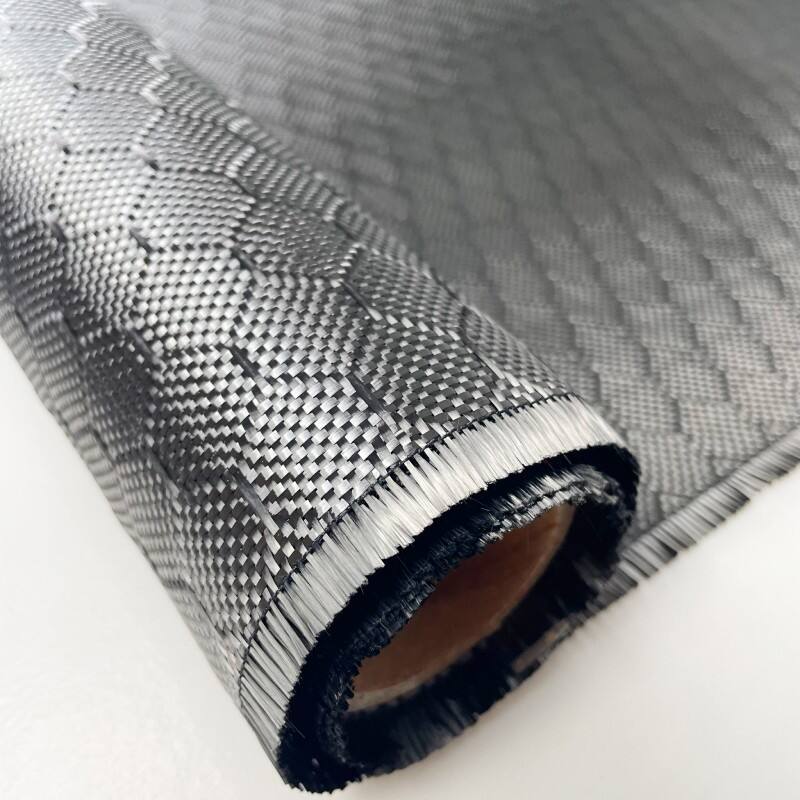
Carbon fiber has long been revered as a marvel of modern engineering, prized for its lightweight, high-strength, and durable properties. From aerospace to automotive industries, its applications have revolutionized design and performance. As we move into 2025, 300g carbon fiber cloth is poised for even greater advancements. Let’s explore the innovations and trends that are set to shape its future.
1. Sustainable Production Methods
As the demand for environmentally friendly materials intensifies, carbon fiber production is undergoing a significant shift towards sustainability. Traditionally, carbon fiber has been produced through an energy-intensive process that uses petrochemical-based precursors like polyacrylonitrile (PAN). In 2025, research into alternative feedstocks and processes is expected to gain traction, including the use of plant-based precursors or recycling carbon fibers from end-of-life products.
One key development is the rise of recycled carbon fiber. Companies are increasingly focused on reclaiming carbon fibers from products like aerospace parts and automotive components. This recycling process can significantly reduce waste and the carbon footprint of carbon fiber, making it a more sustainable option for industries looking to reduce their environmental impact.
2. Advanced Manufacturing Techniques
Additive manufacturing, or 3D printing, is another area where carbon fiber is expected to see transformative growth. In 2025, carbon fiber-reinforced 3D printing is likely to become more widespread, enabling manufacturers to create complex, lightweight parts with precision and efficiency. This technology could revolutionize everything from custom components in aerospace to affordable yet high-performance parts for the automotive and sporting goods industries.
In parallel, automation in carbon fiber manufacturing is improving. Automated weaving and lay-up processes are already reducing labor costs and enhancing production efficiency. With the integration of robotics, the carbon fiber industry can expect to see faster, more consistent, and cost-effective production methods.
3. Improved Composite Materials
While carbon fiber is strong and lightweight, its brittleness has long been a limitation. In 2025, hybrid materials—combinations of carbon fiber and other advanced materials—are expected to become more common. For example, carbon fiber reinforced polymers (CFRP) are likely to be blended with thermoplastics, which offer superior toughness and flexibility.
Additionally, innovations in matrix resins, the binding agents used in carbon fiber composites, are also on the horizon. More heat-resistant and chemically resistant resins could lead to stronger, more durable composites for high-performance industries like aerospace and automotive.
4. Aerospace and Automotive Evolution
Carbon fiber's role in aerospace is expected to deepen in 2025 as aircraft manufacturers continue to prioritize fuel efficiency and performance. With the increased pressure to reduce emissions and operational costs, lightweight materials are more critical than ever. Carbon fiber's unique combination of low weight and high strength allows for significant weight reductions, improving fuel efficiency and reducing carbon emissions.
In the automotive sector, electric vehicles (EVs) will be a major driver of carbon fiber adoption. Carbon fiber’s ability to reduce the weight of EVs is crucial for extending battery life and enhancing performance. As electric vehicles become more mainstream, automakers will push for more affordable carbon fiber solutions to make EVs more efficient and competitive with traditional vehicles.
5. Emerging Applications in Sports and Healthcare
Outside traditional industries, carbon fiber is finding new applications in the sports and healthcare sectors. For athletes, carbon fiber is already used in high-performance gear like bicycles, tennis rackets, and golf clubs. But as manufacturing processes improve, carbon fiber’s role in everyday sporting goods could become more prevalent, making high-performance gear more accessible.
In healthcare, carbon fiber is increasingly used in prosthetics and orthopedic implants. Its strength and lightness make it ideal for creating durable yet comfortable medical devices. As 3D printing technology advances, carbon fiber could be used to create custom prosthetics tailored to individual patients, enhancing both functionality and comfort.
Conclusion
Carbon fiber’s future is bright, with innovations poised to revolutionize multiple industries. From sustainable production and advanced manufacturing techniques to broader applications in aerospace, automotive, sports, and healthcare, the next few years promise exciting developments. As we enter 2025, these trends will not only make carbon fiber more accessible but also redefine what’s possible with this extraordinary material.